Labcycle.
Addressing the issue of excessive plastic waste produced by laboratories.
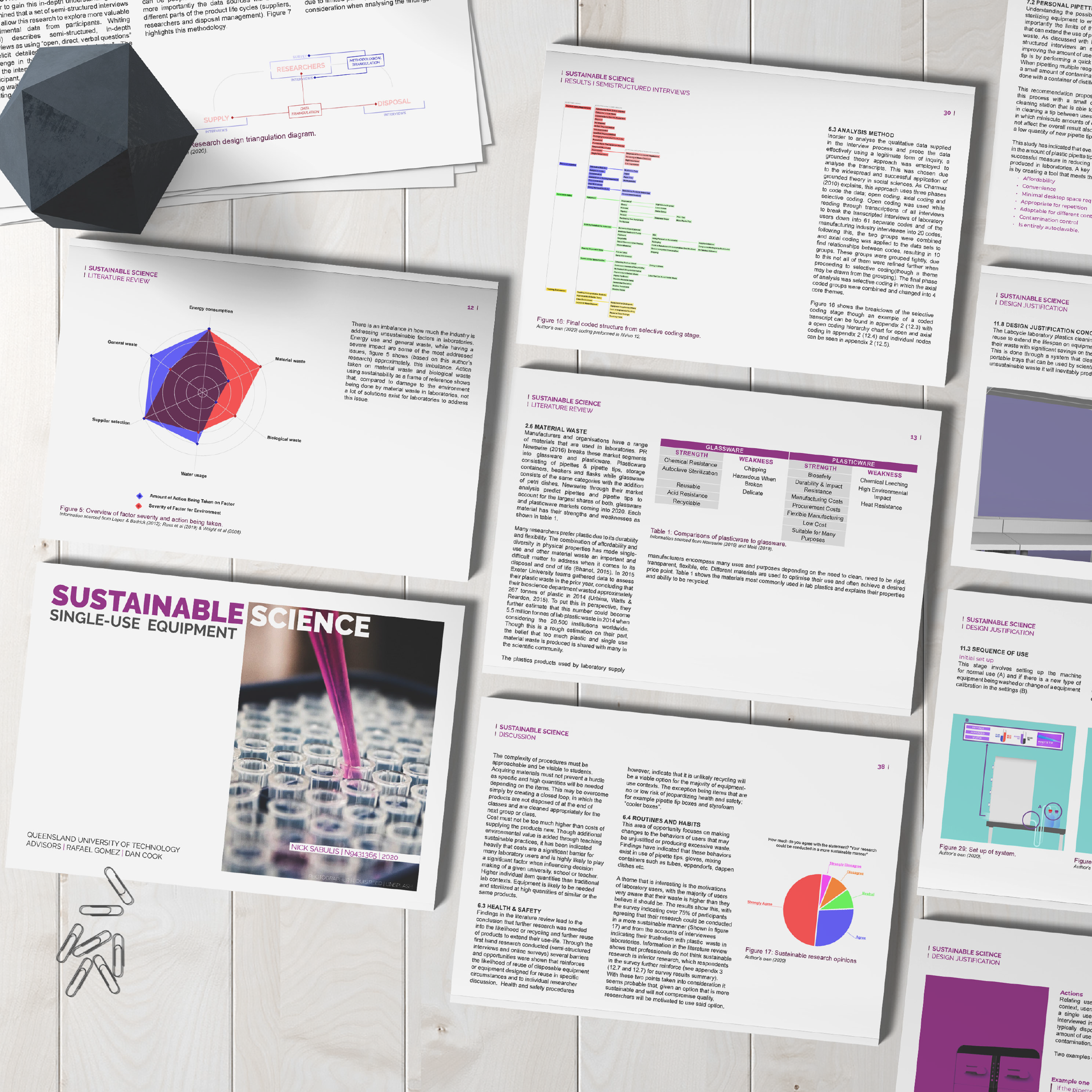
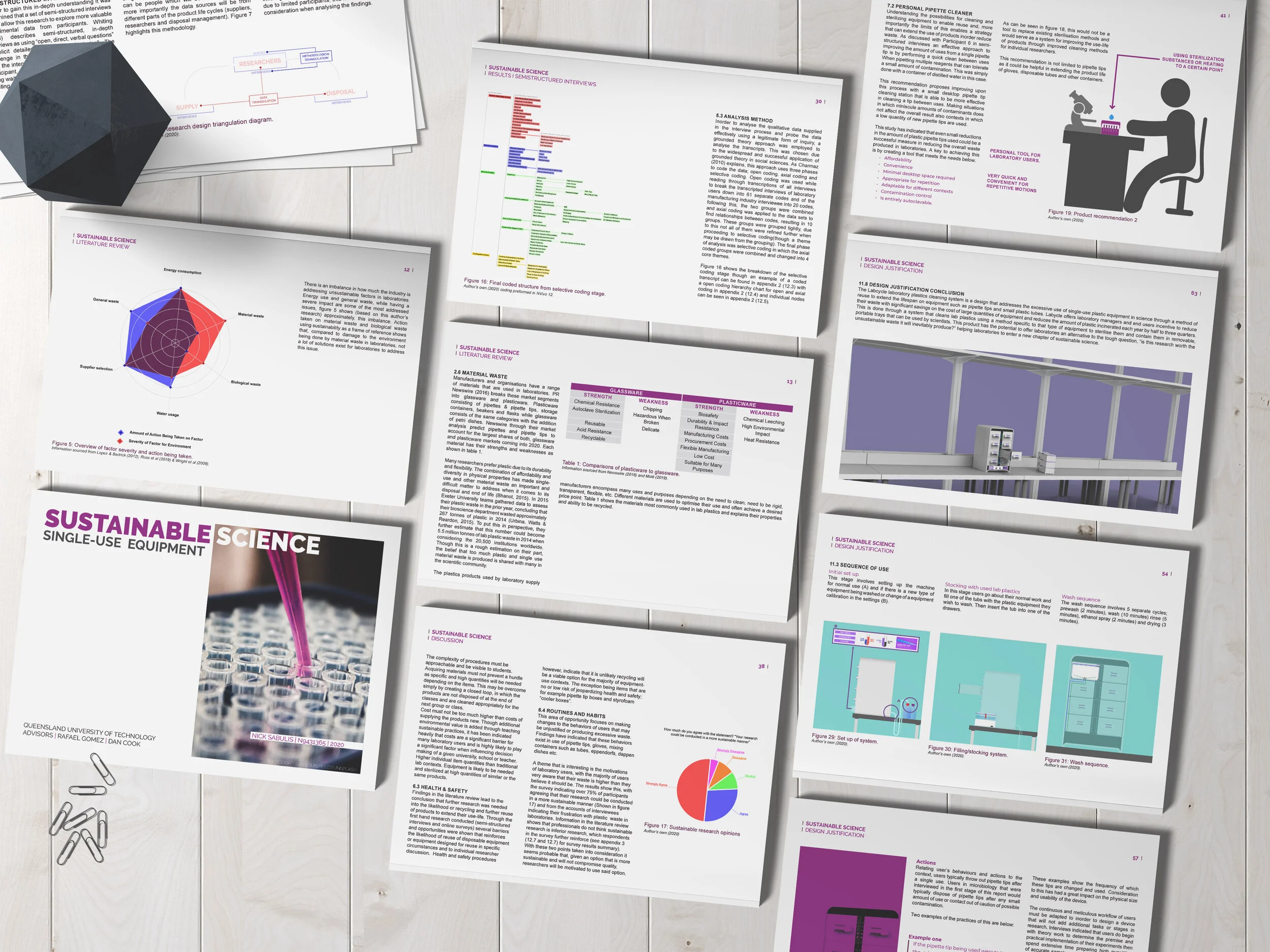
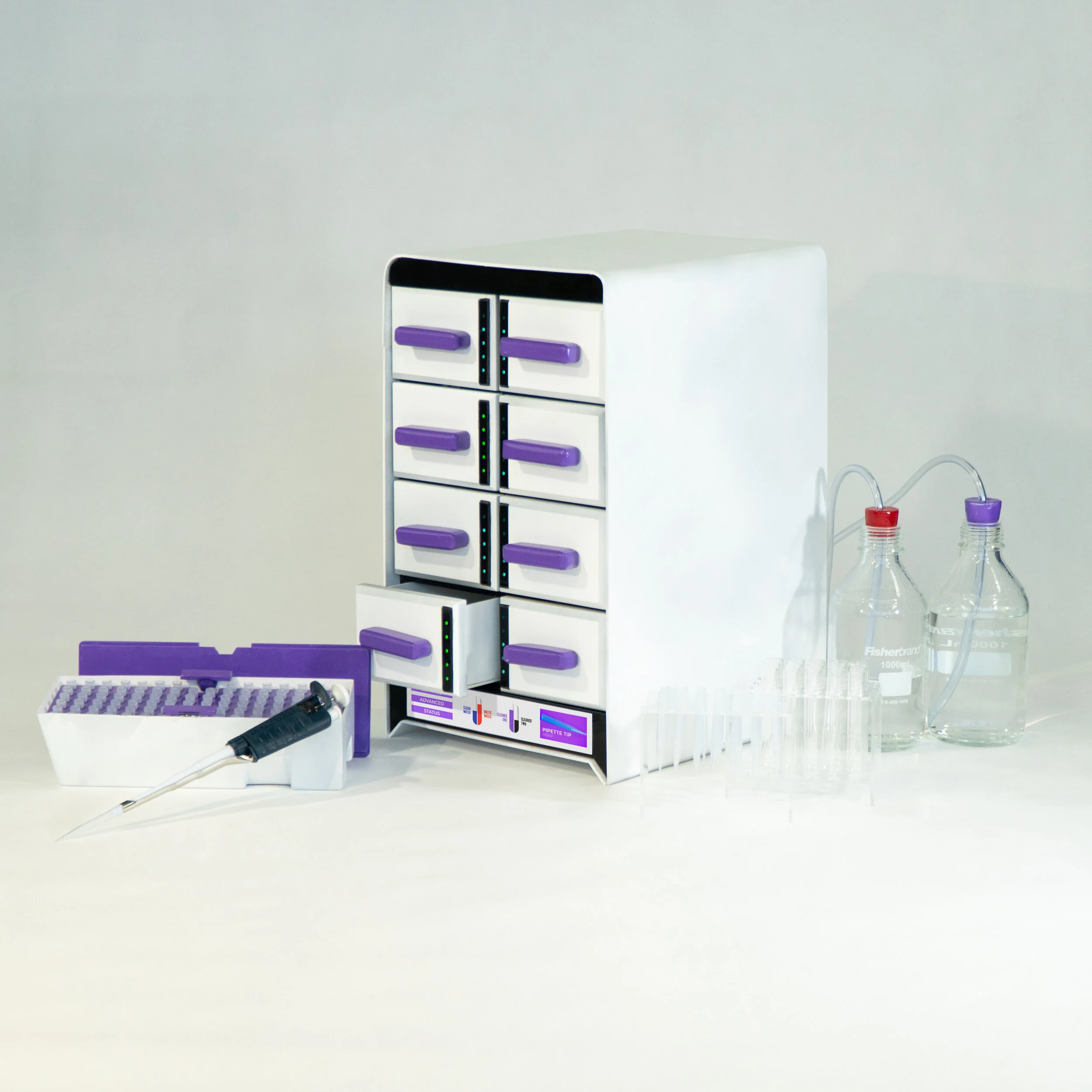
This is my honours thesis that I worked on through my final year at QUT in 2020. I dived into researching sustainability issues in science and after attaining a comprehensive understanding of the topic I began a design and development stage to create the Labcycle System you can see here.
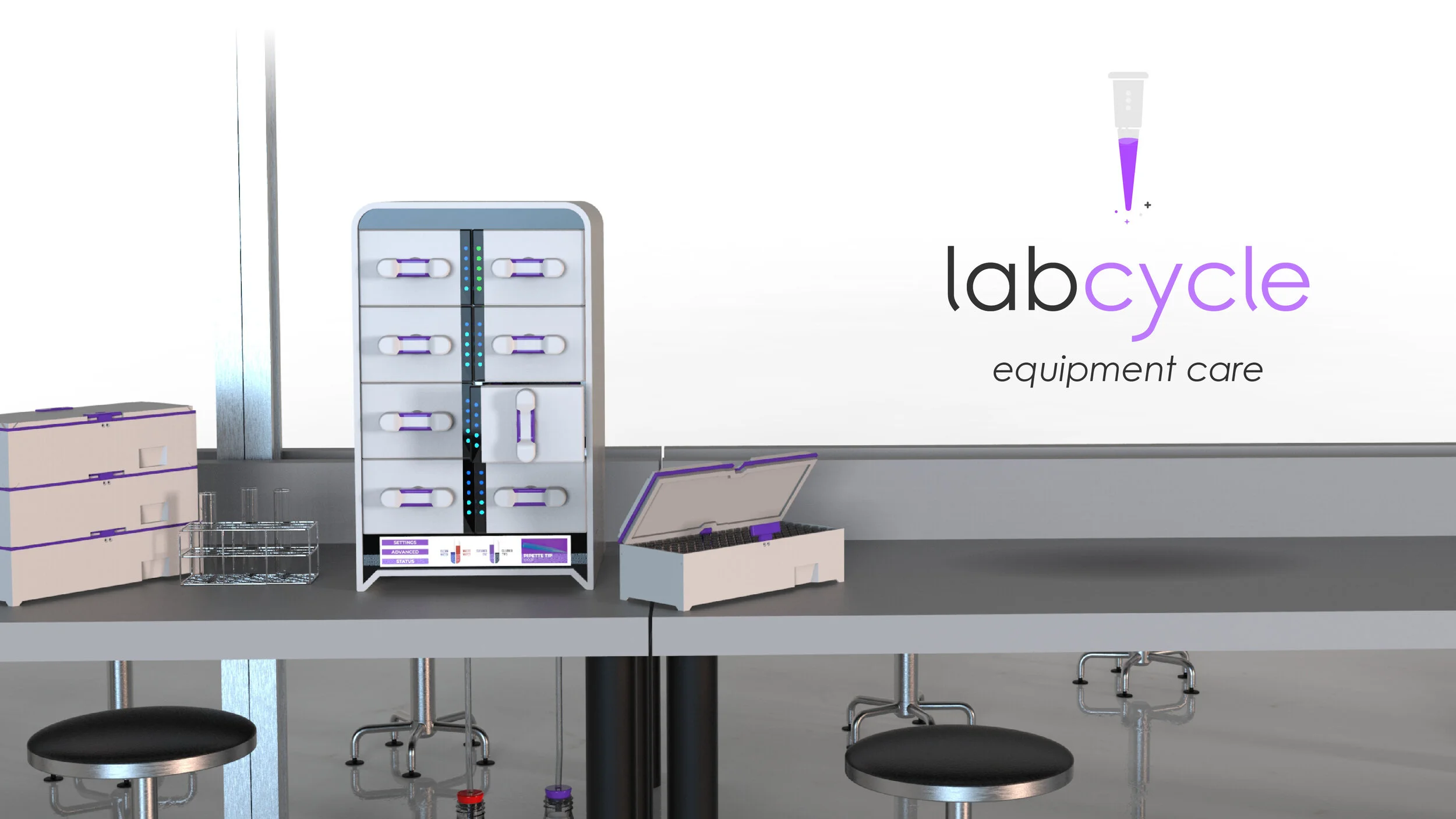
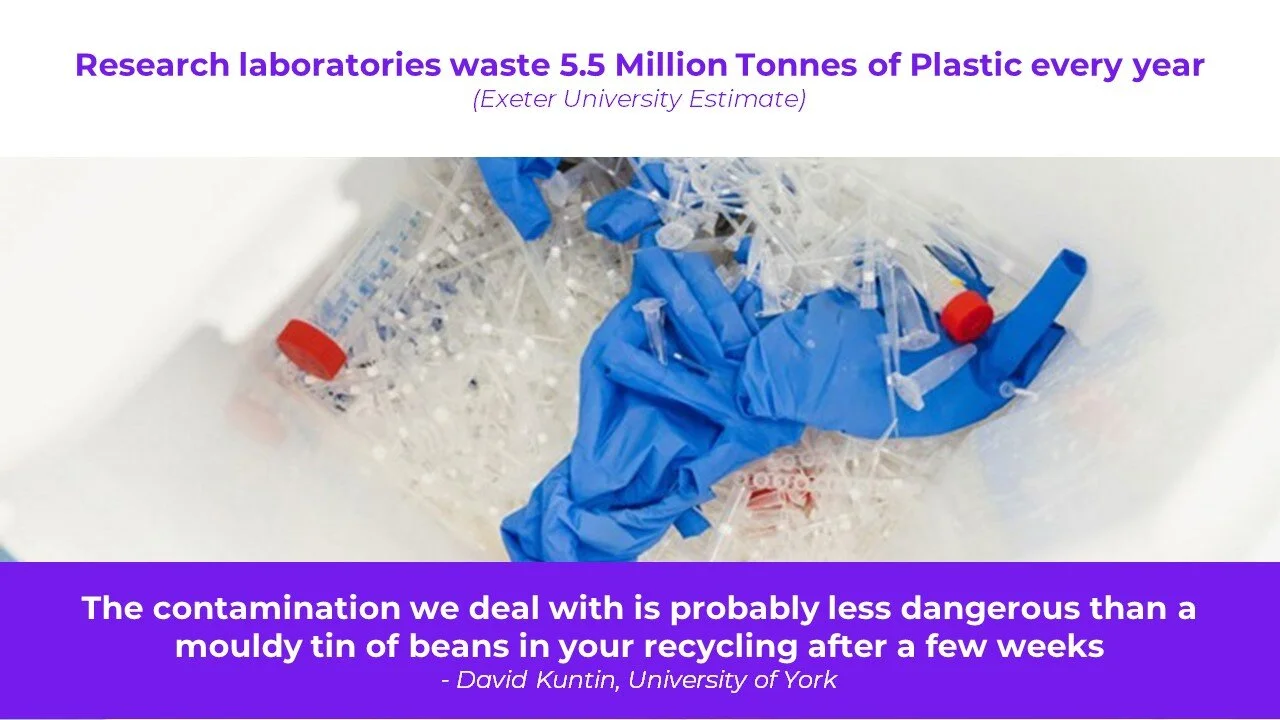
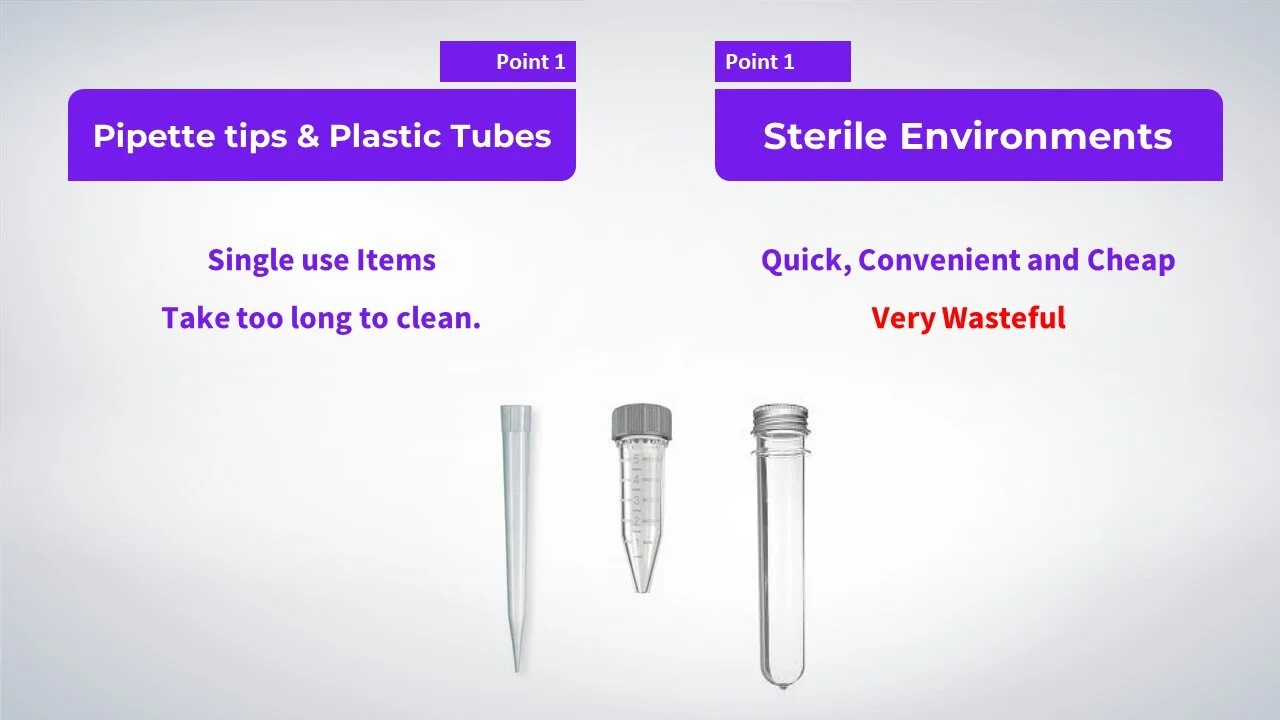
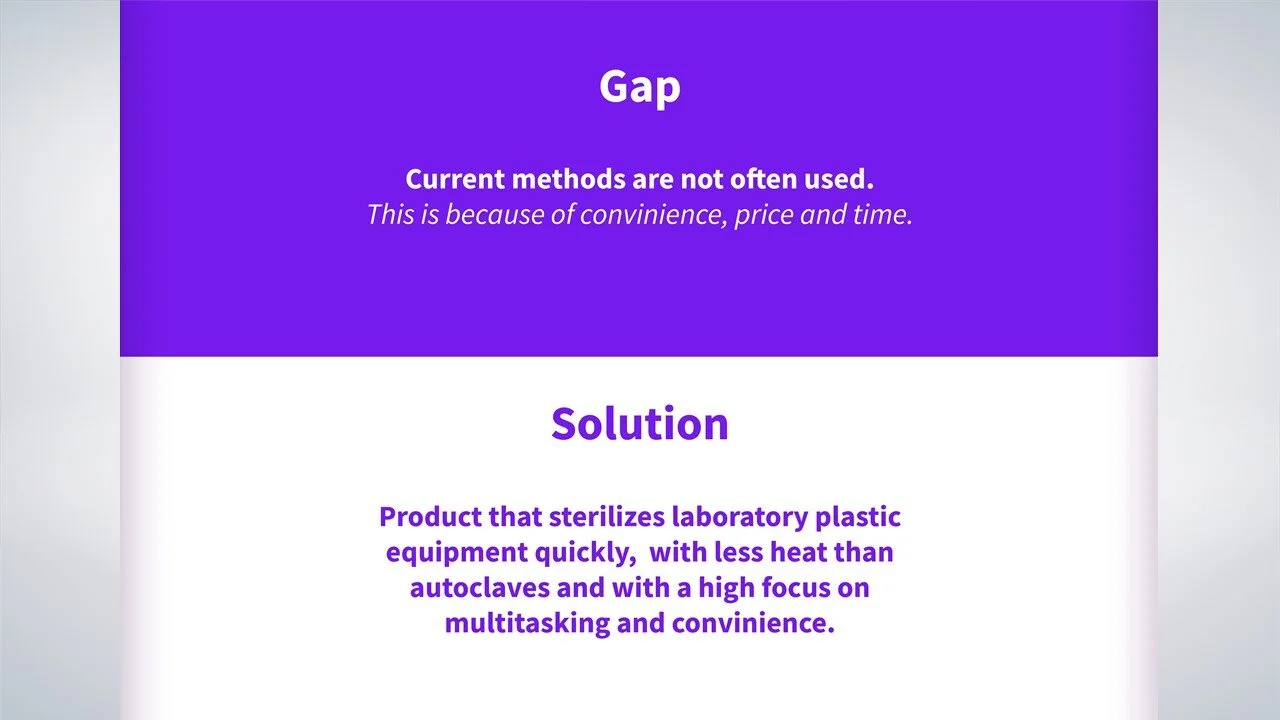
It's clear in literature and in the scientific community that sustainability in laboratories is a massive, growing, and challenging problem. Labcycle aims to improve the waste laboratories contribute by helping labs to get 2-5 more uses from laboratory plastic items such as plastic pipette tips, eppendorf tubes, centrifuge tubes. This solution saves labs money, reduced the environmental impact, and helps science target goals 11, 12, and 13 of the UN Sustainable development goals.
What is the Labcycle System?
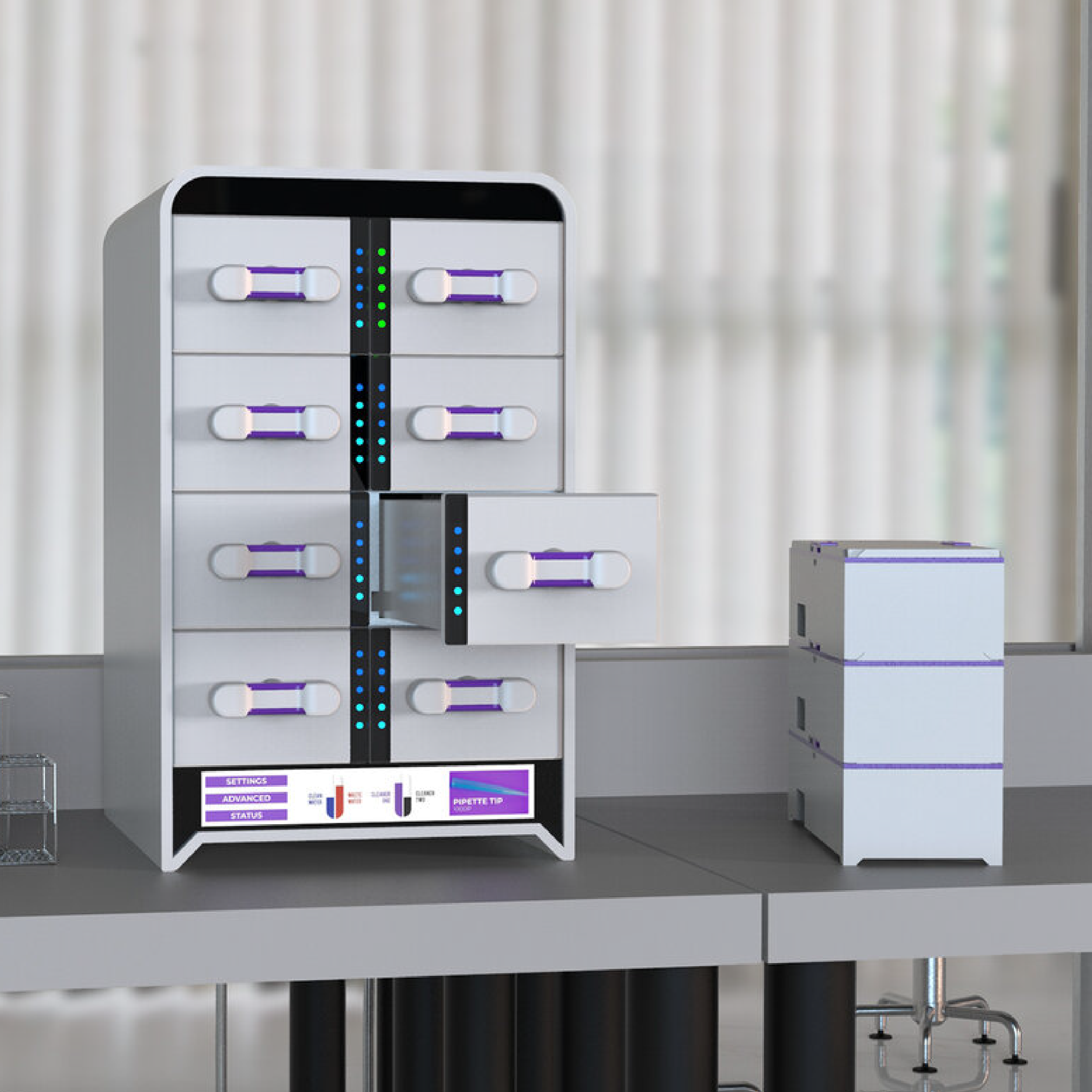
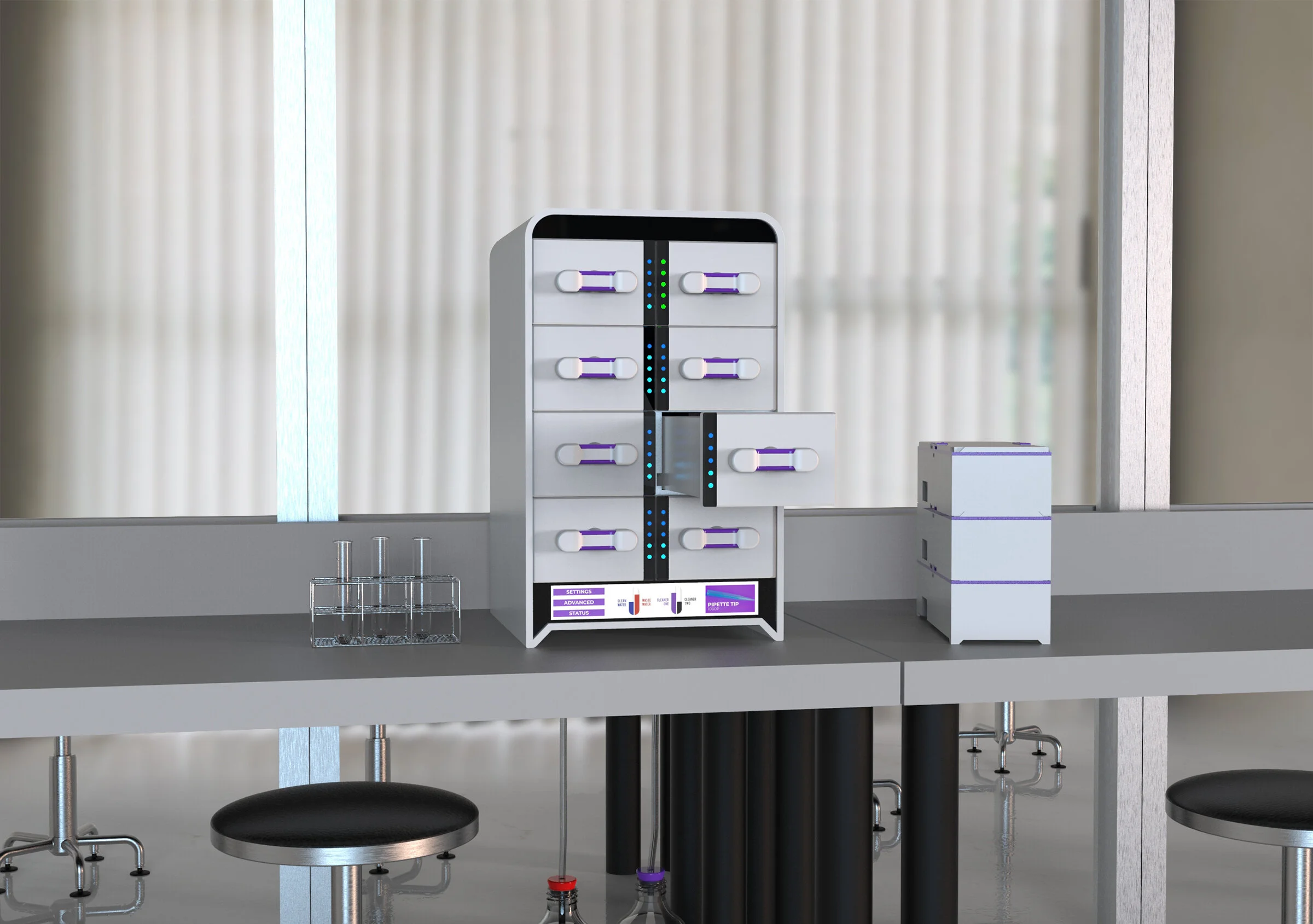
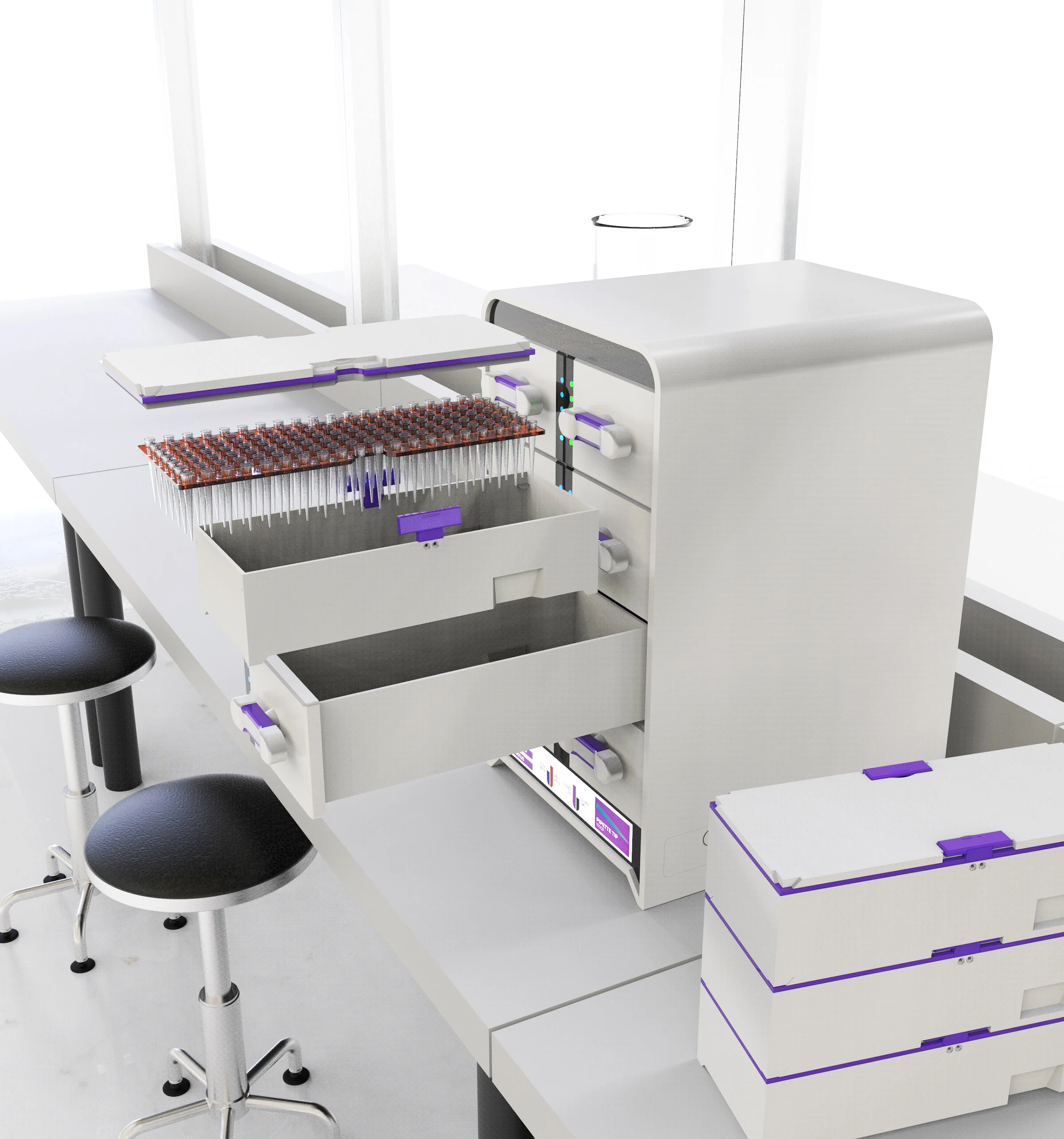
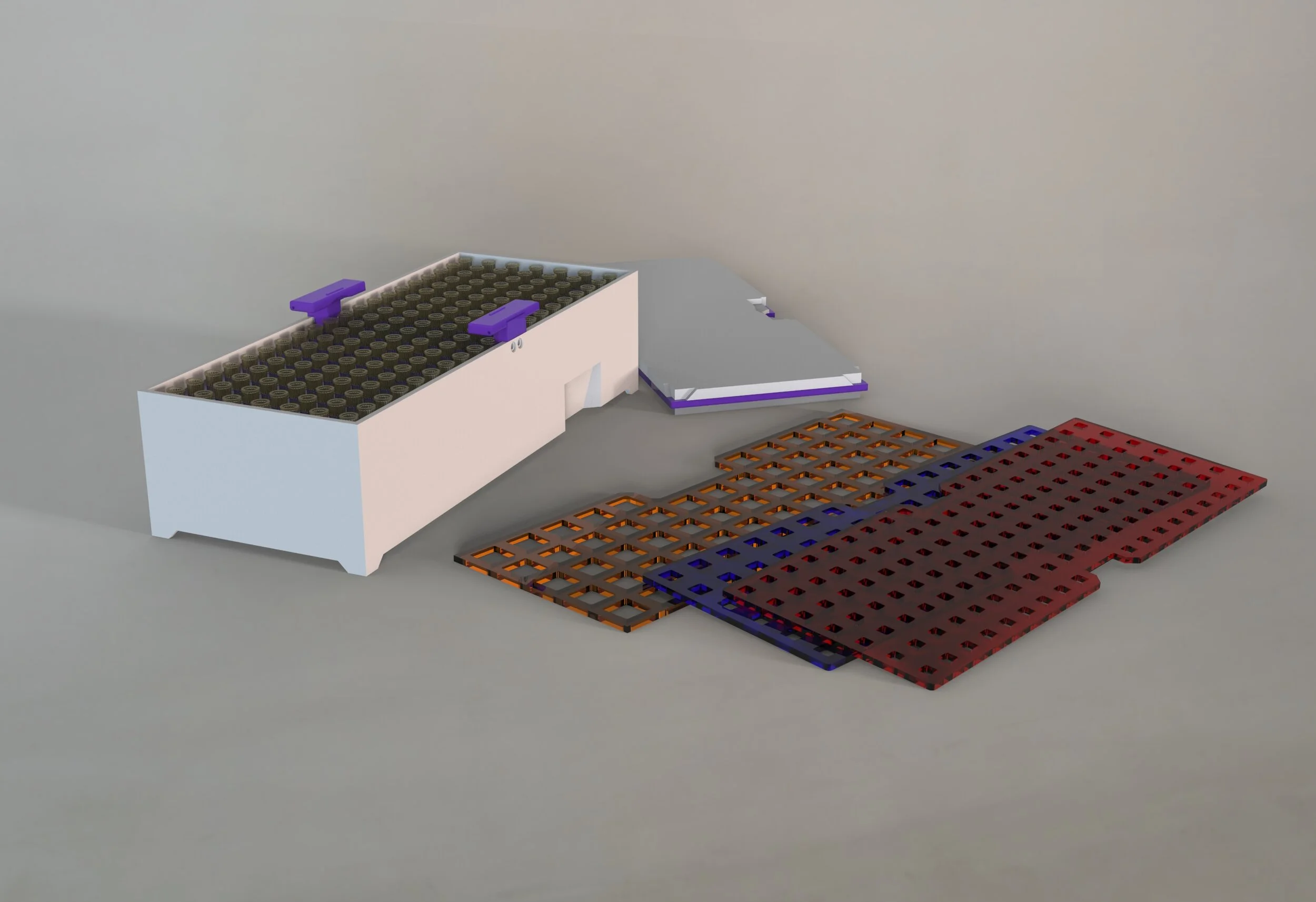
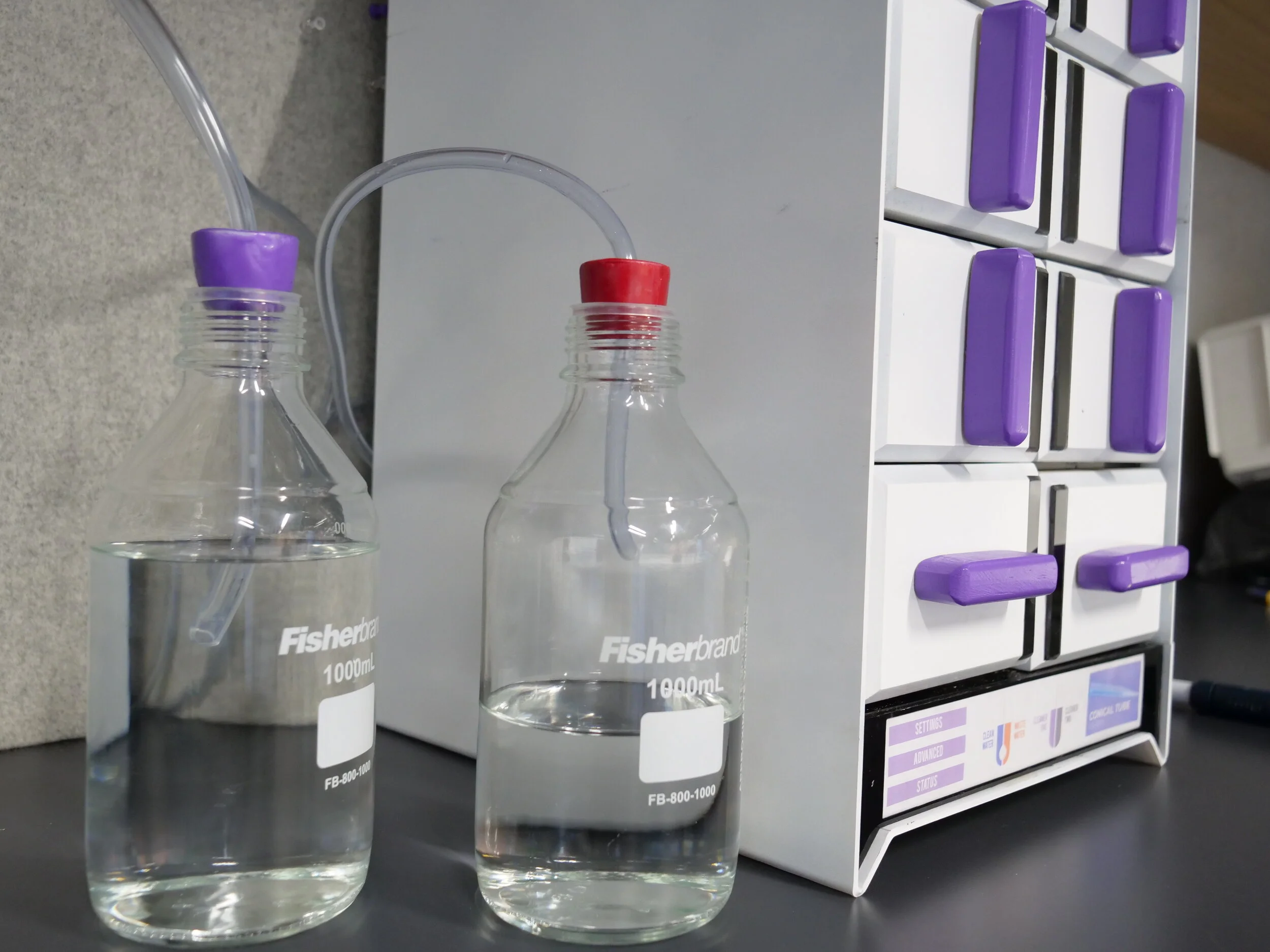
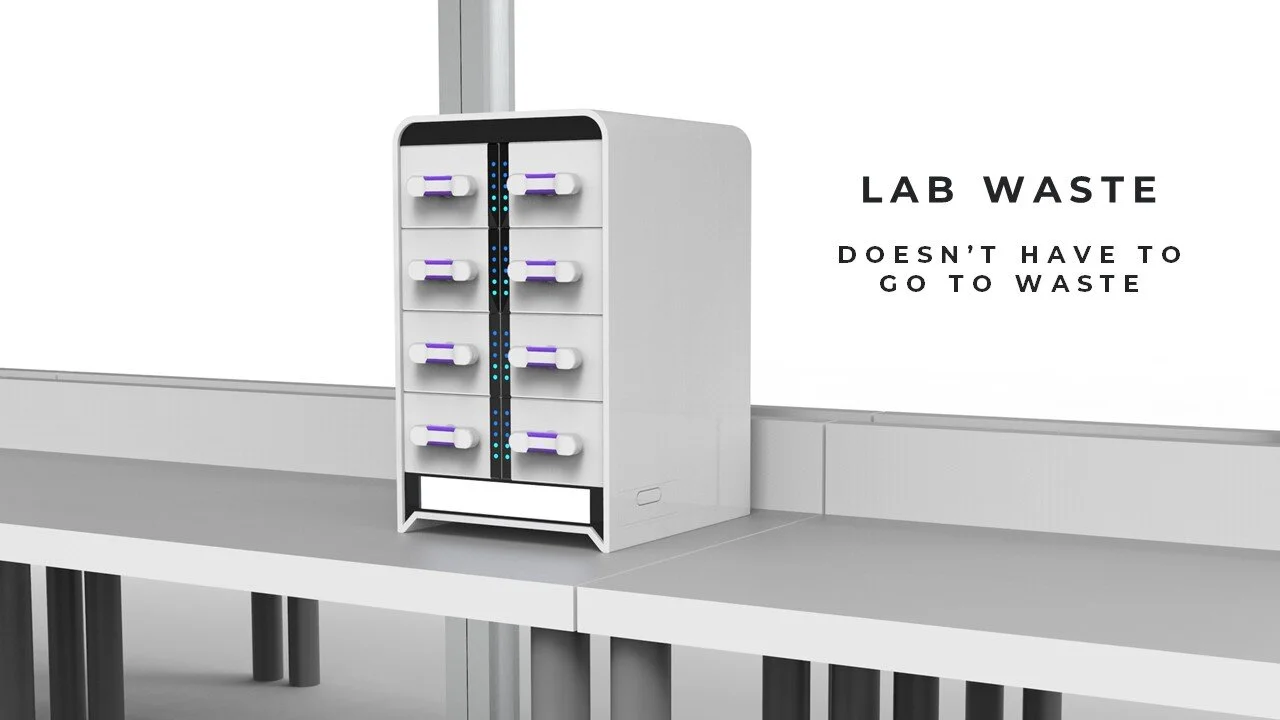
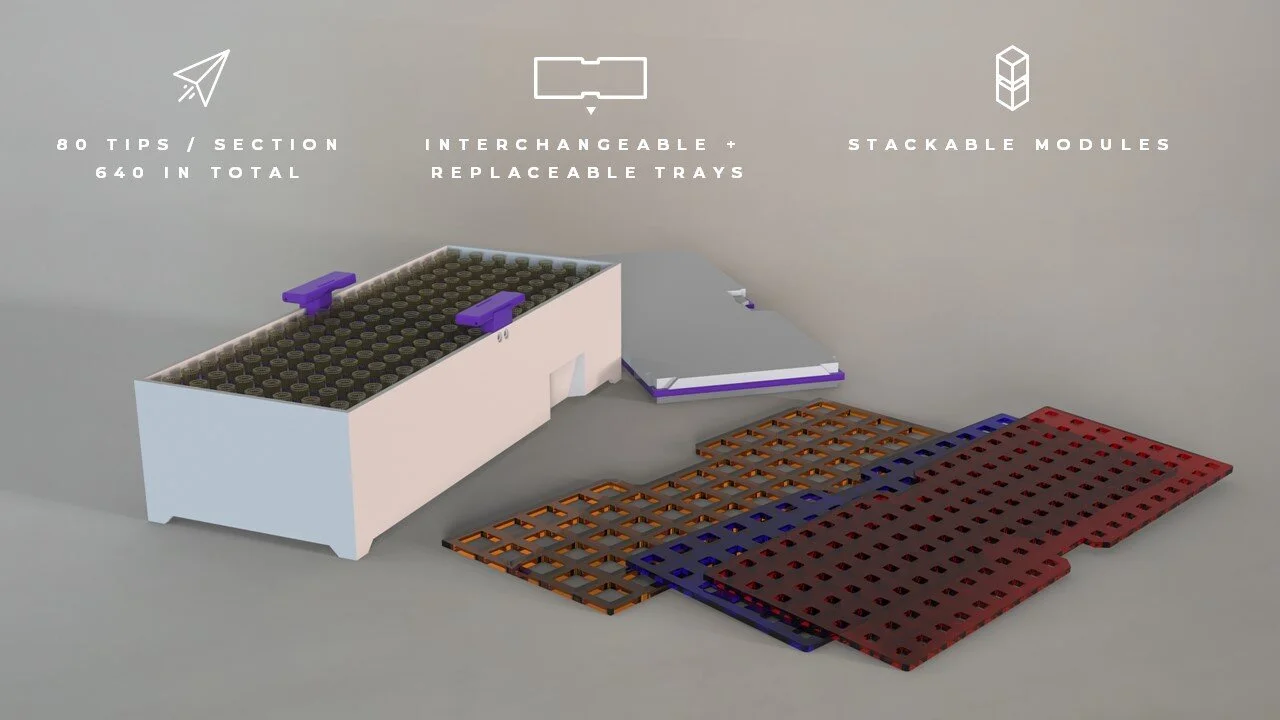
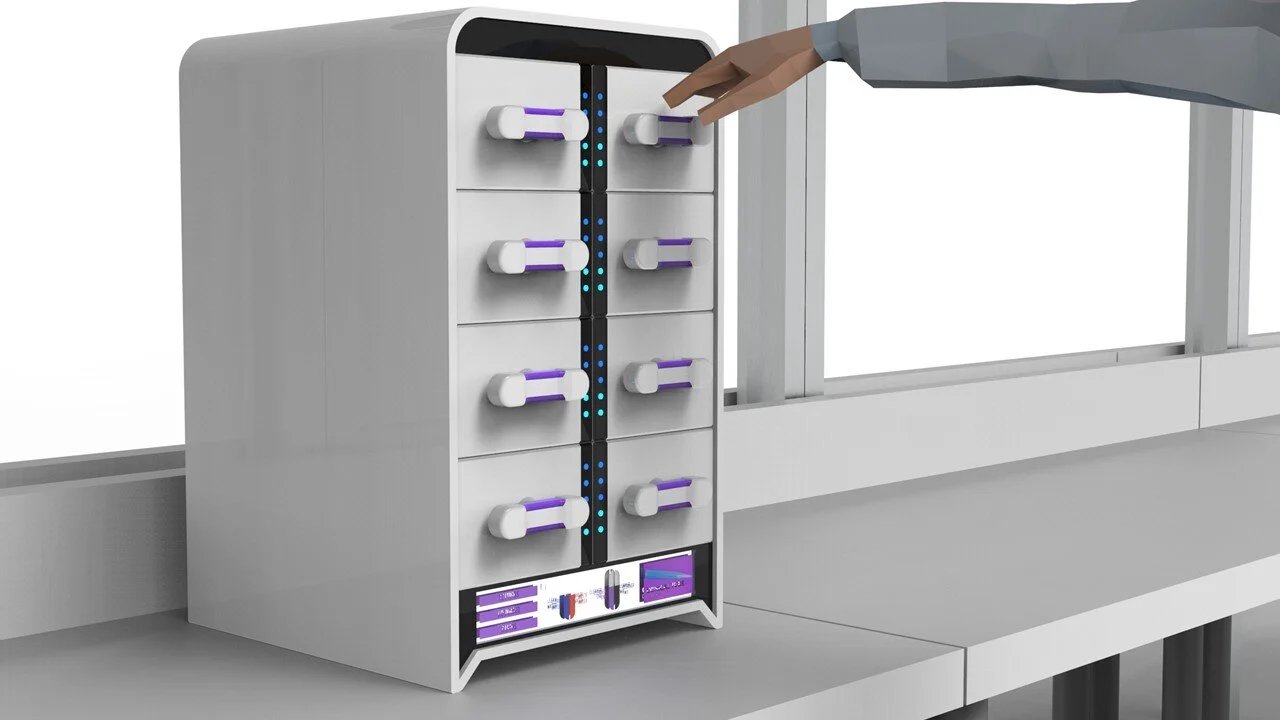
The labcycle system is built for teams of people in labs to be able to wash the plastic equipment they use easily and adapt to their existing workflow with removable, sterilised containers to work from.

Workflow
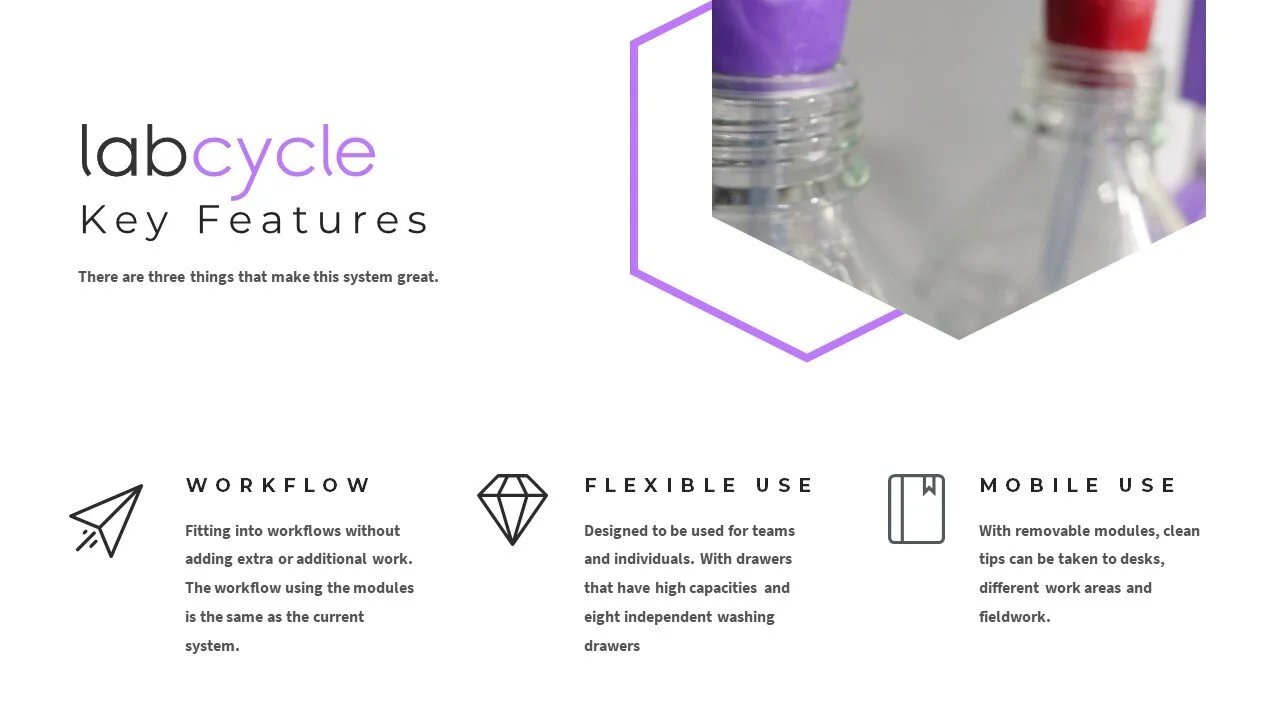
Workflow was the key focus for many aspect of the design. Researchers are some of the busiest people on earth and if a design required extra effort or involved learning additional steps for their daily workflow the design would not be effectively adopted.
How it works.
Initial set up
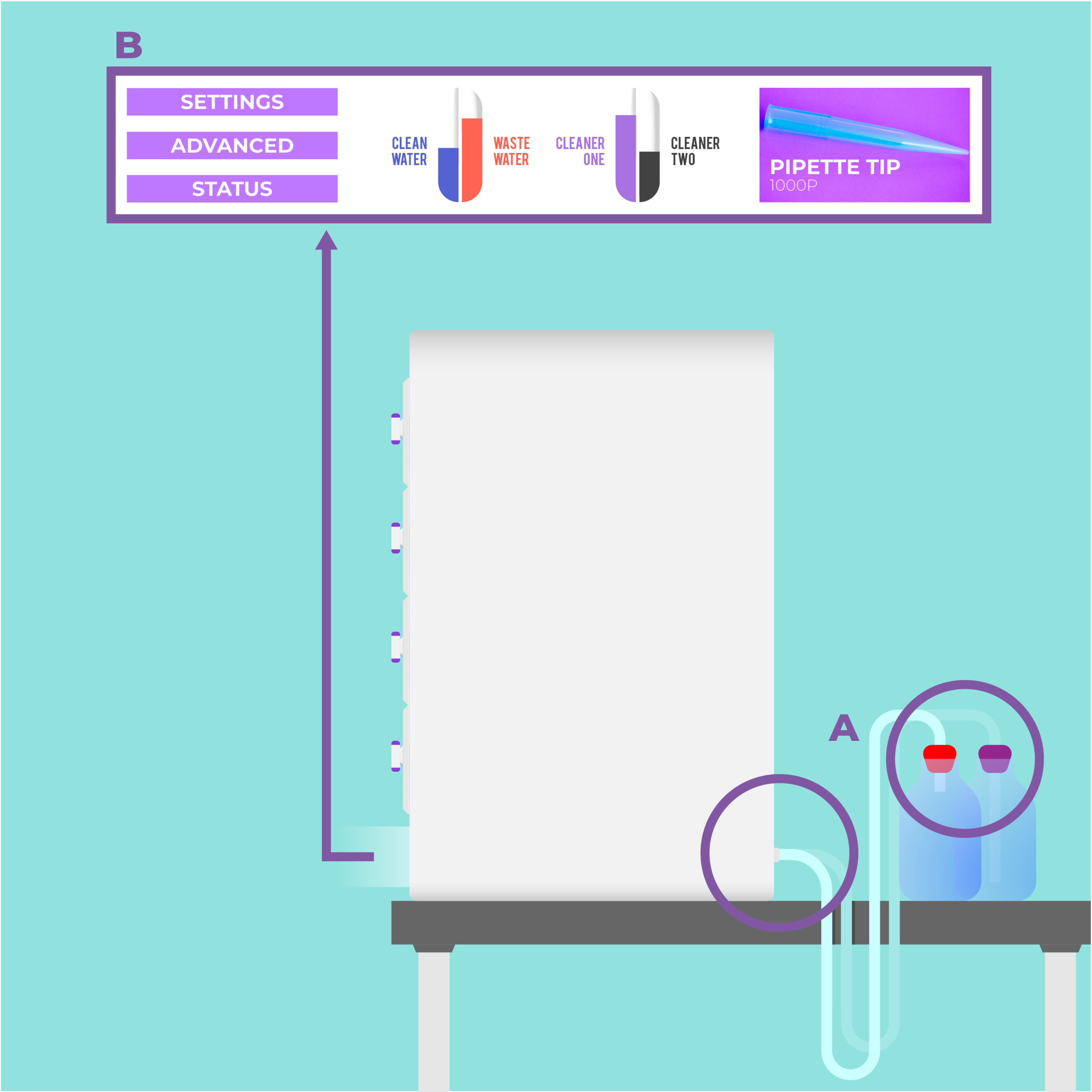
This stage involves setting up the machine for normal use (A) and if there is a new type of equipment being washed or change of equipment, calibration in the settings (B).
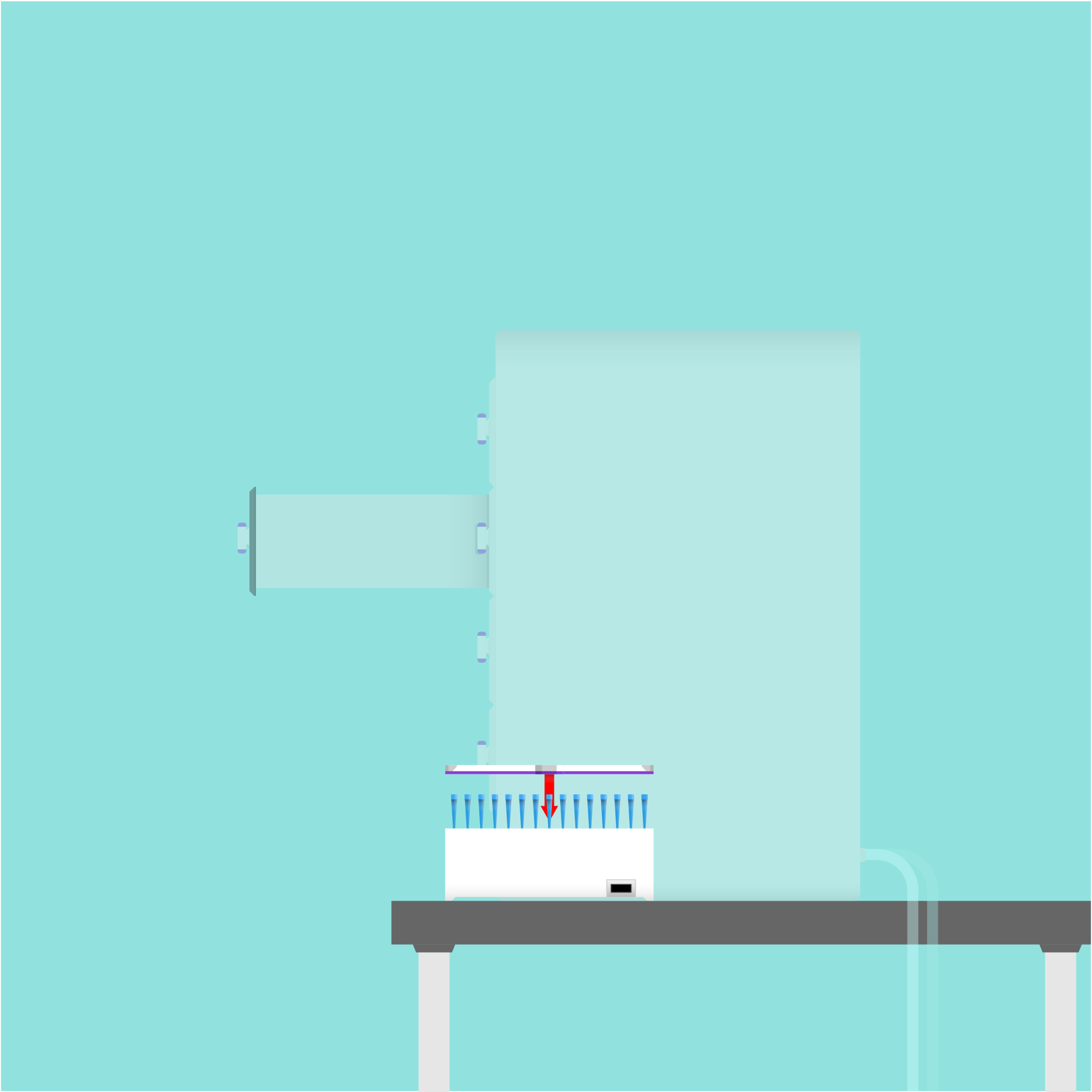
Stocking with used lab plastics
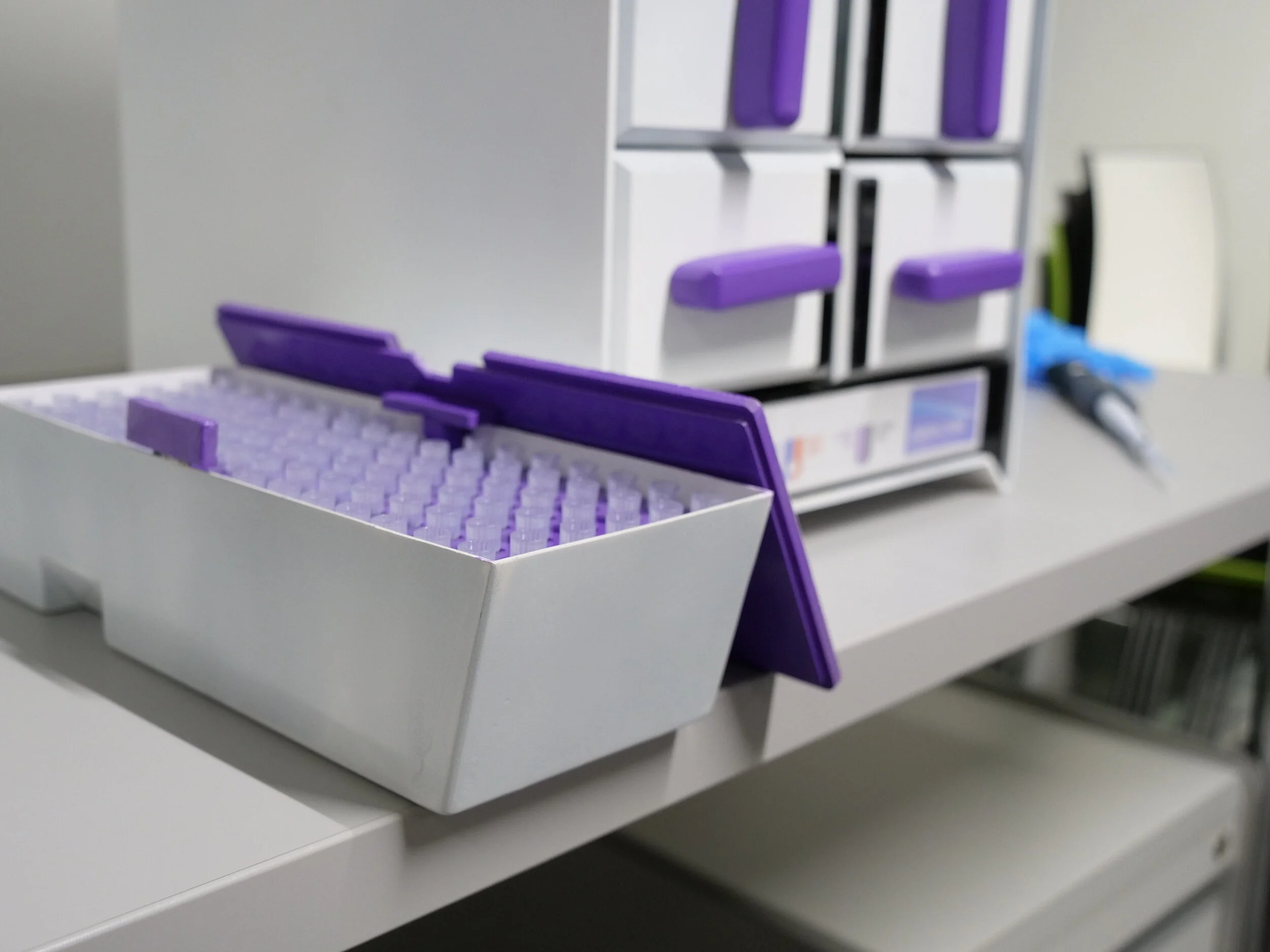
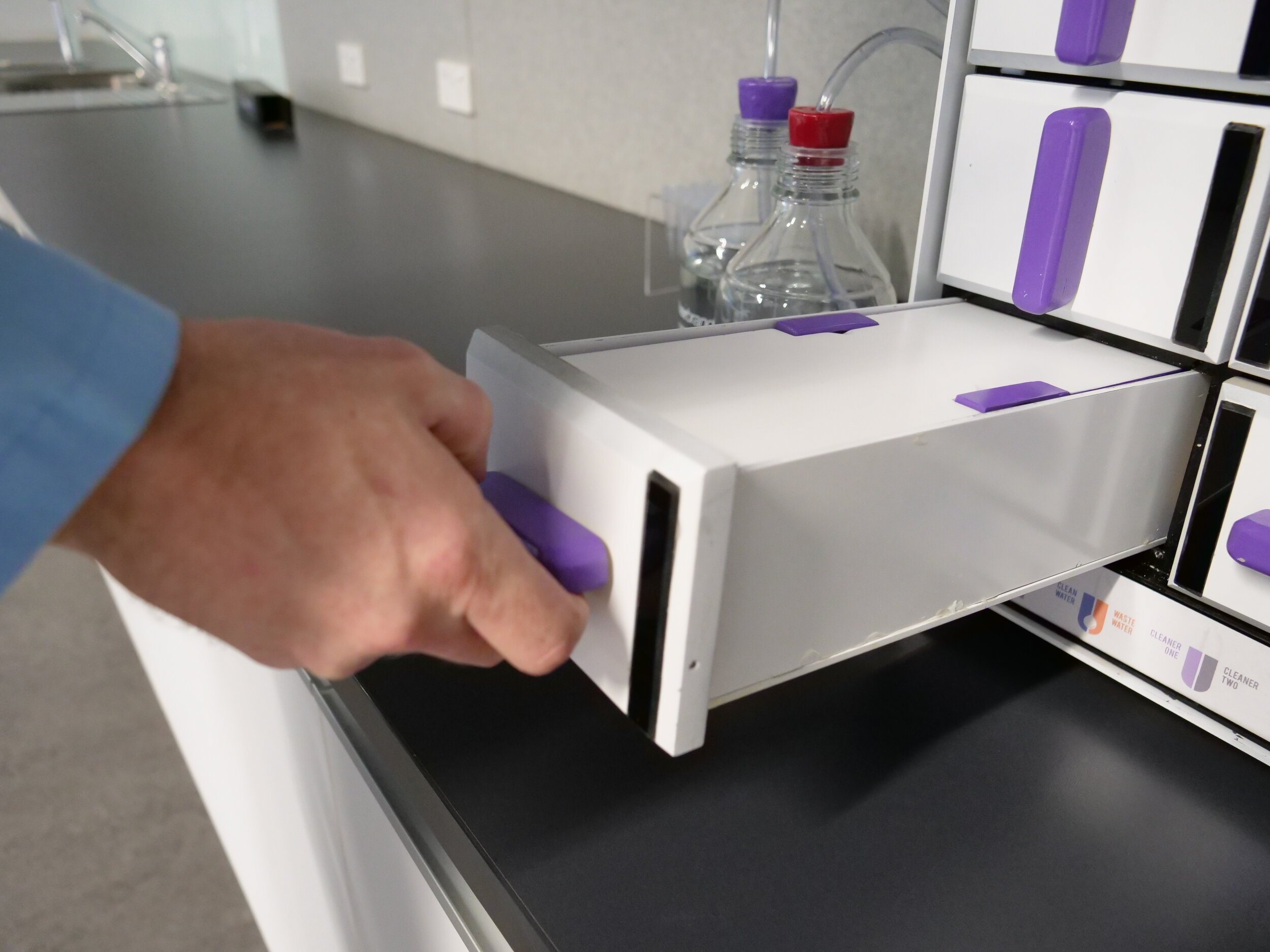
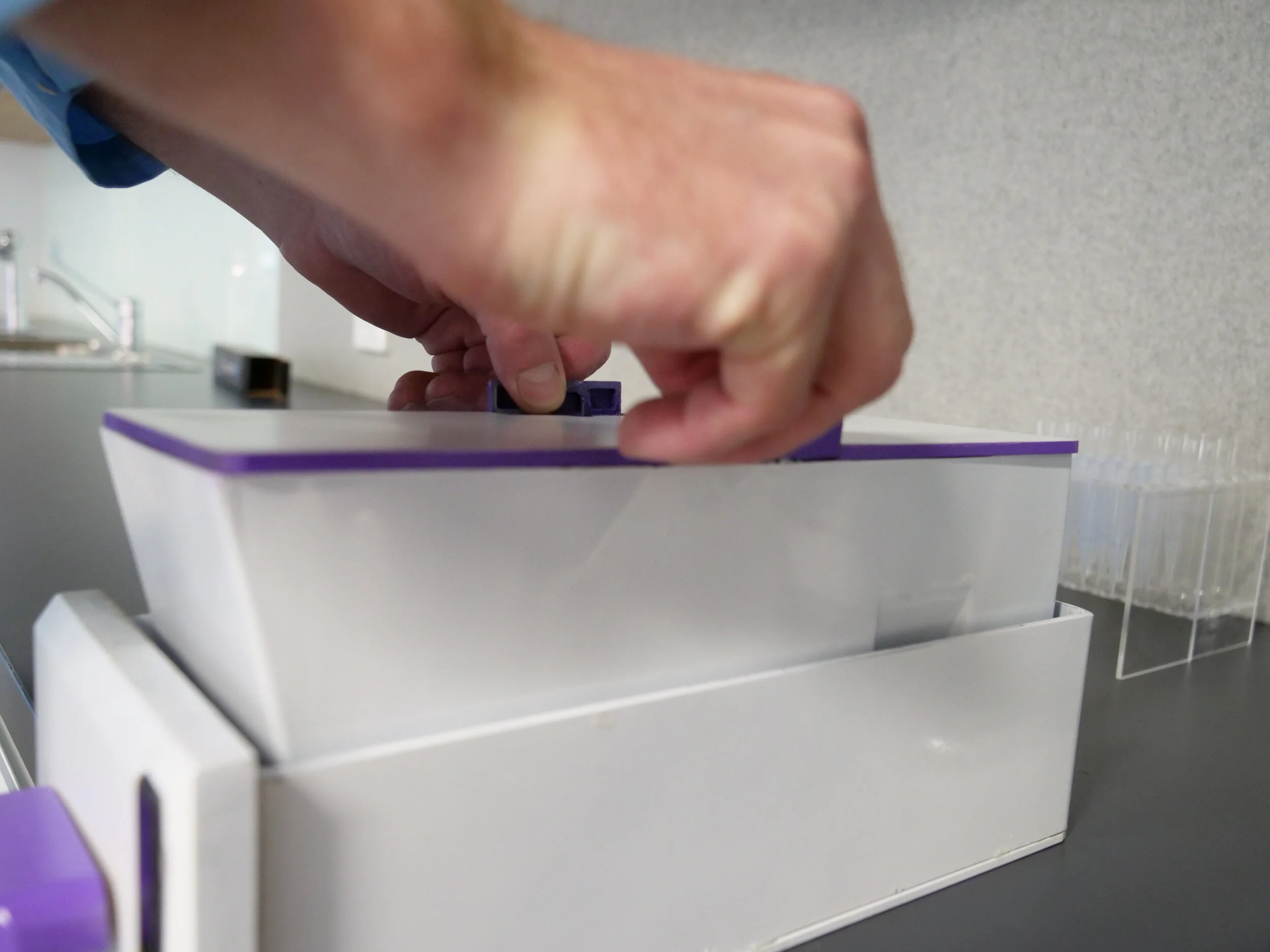
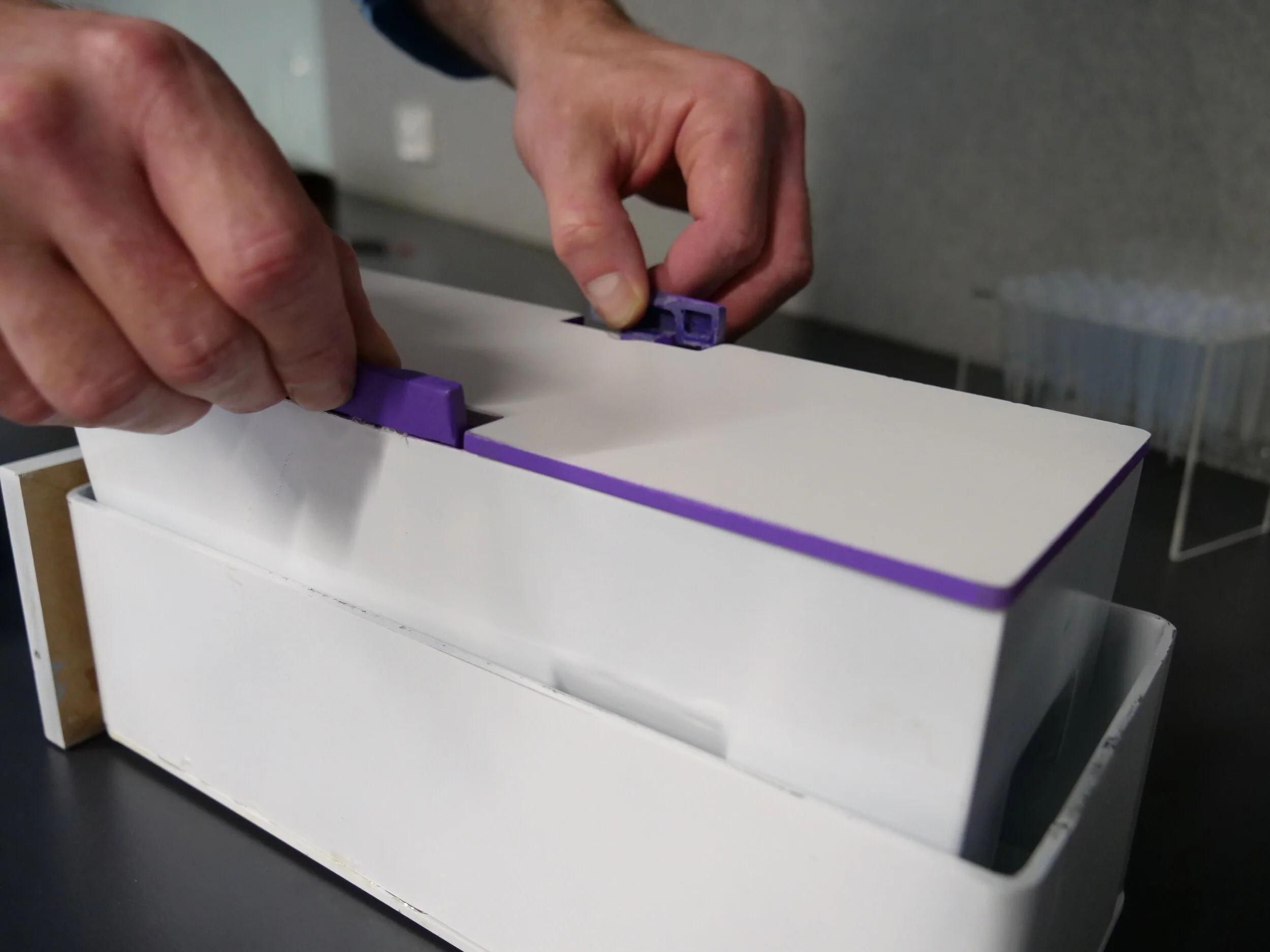
In this stage users go about their normal work and fill one of the tubs with the plastic equipment they wish to wash. Then insert the tub into one of the drawers.
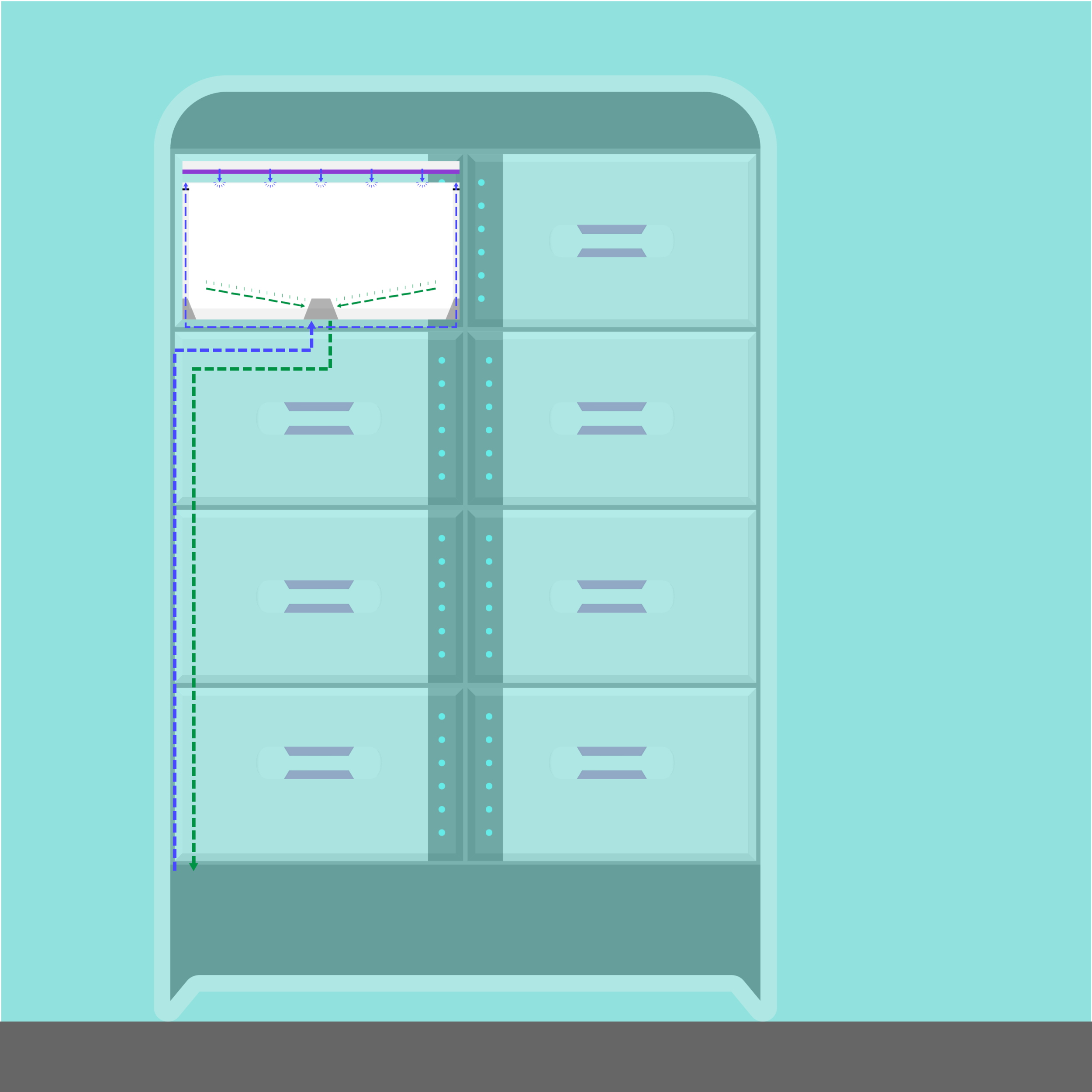
Wash sequence
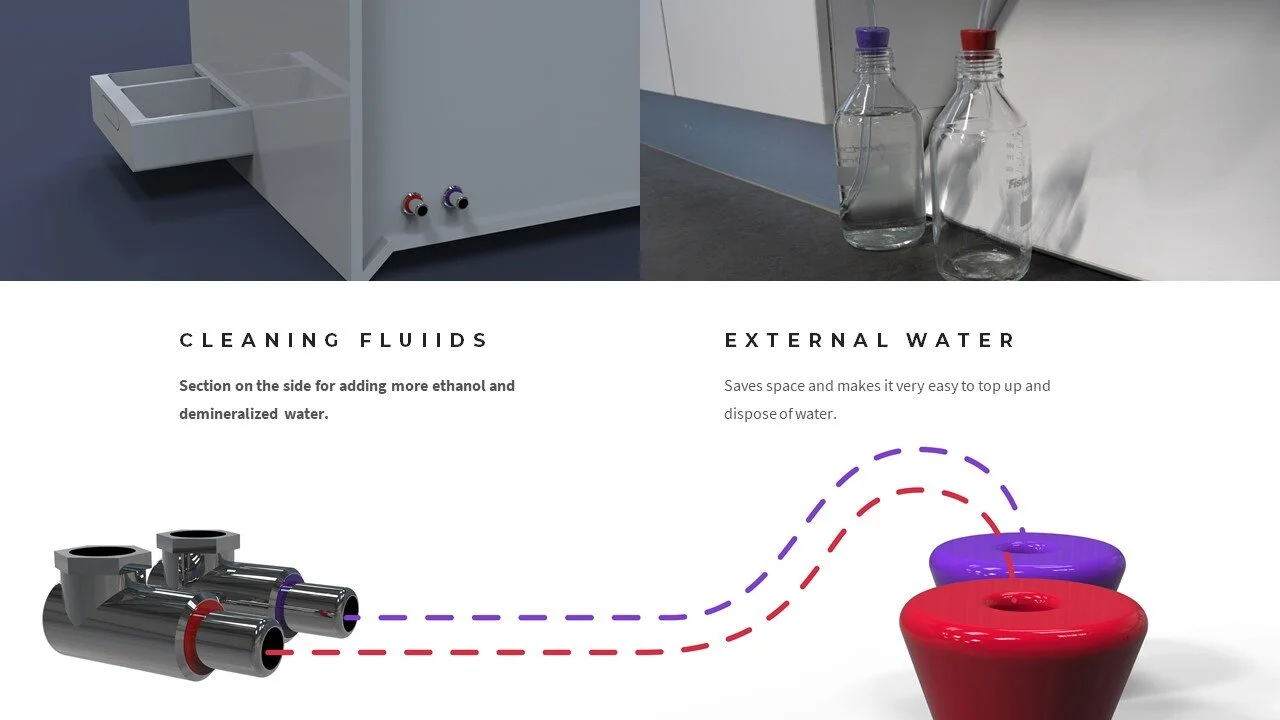
The wash sequence involves 5 separate cycles; prewash (2 minutes), wash (10 minutes) rinse (5 minutes), ethanol spray (2 minutes) and drying (3 minutes).
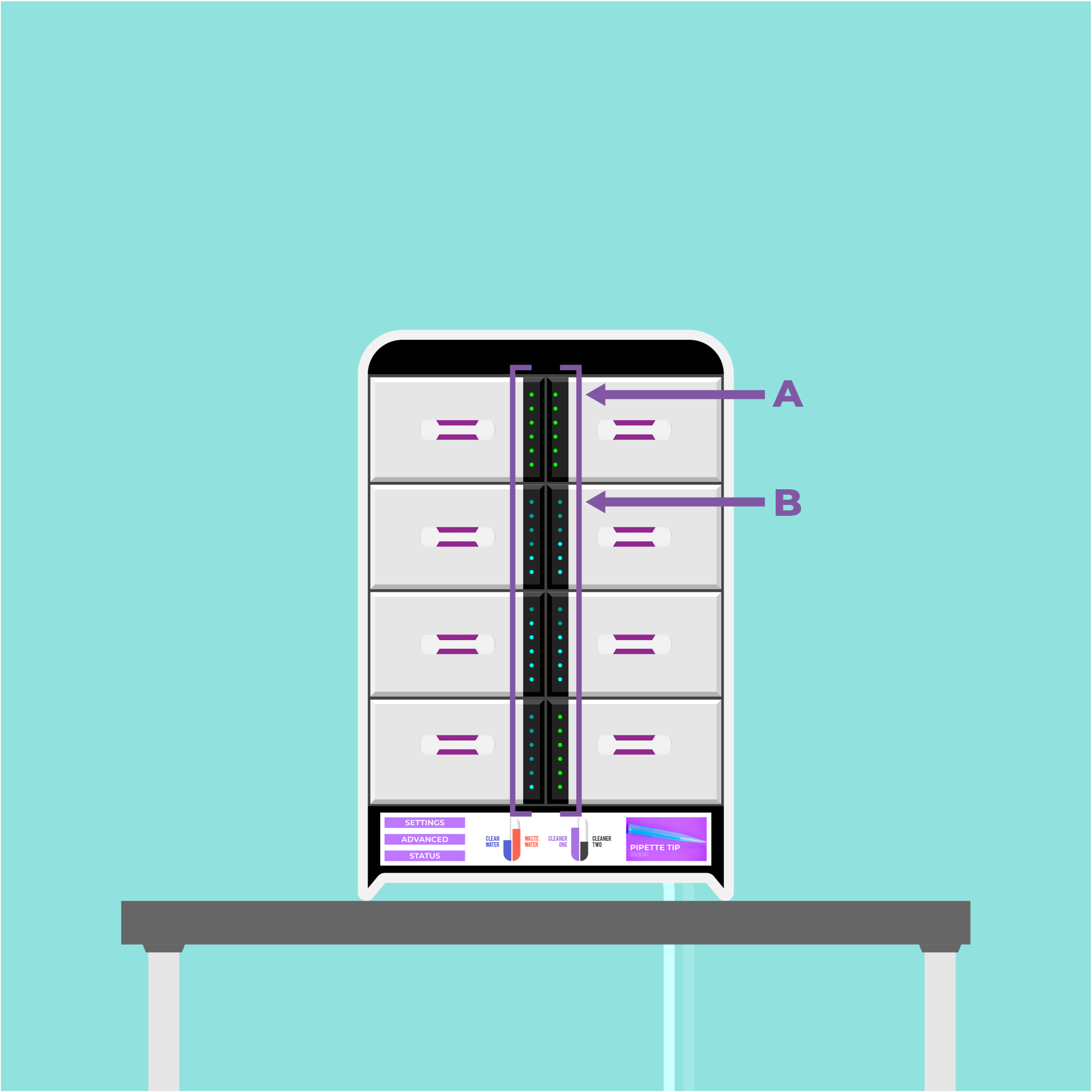
Monitoring
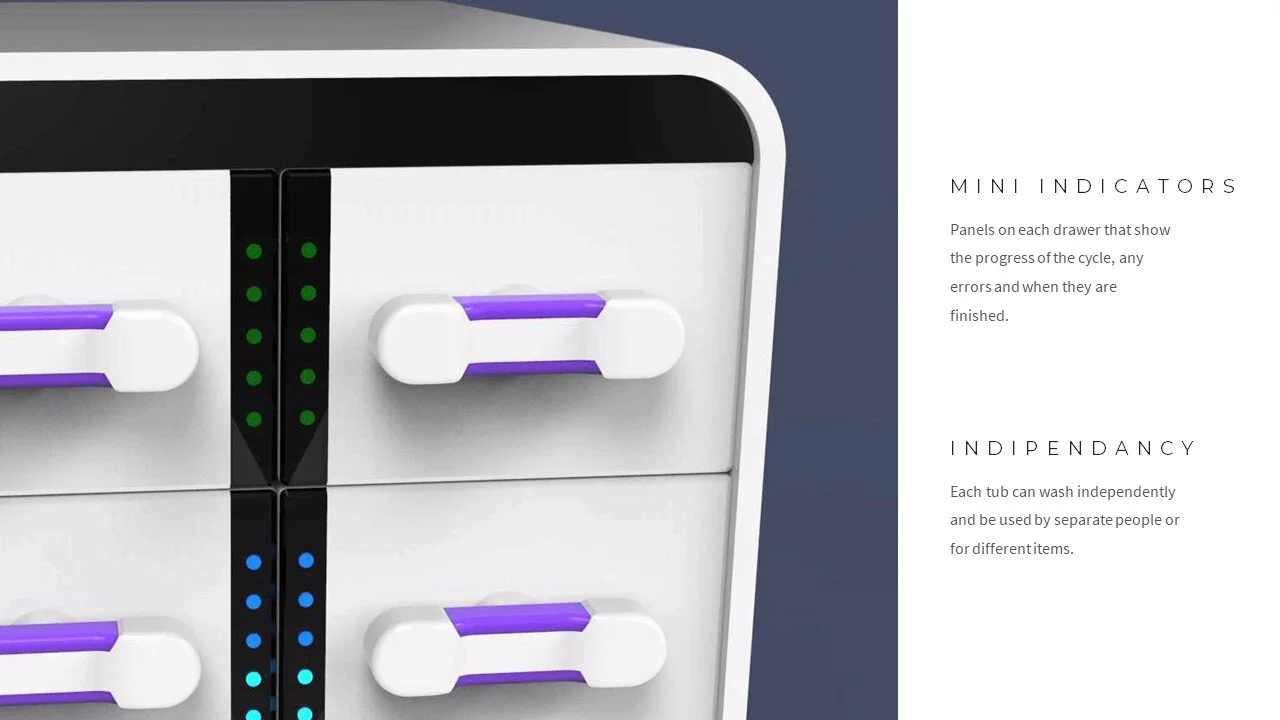
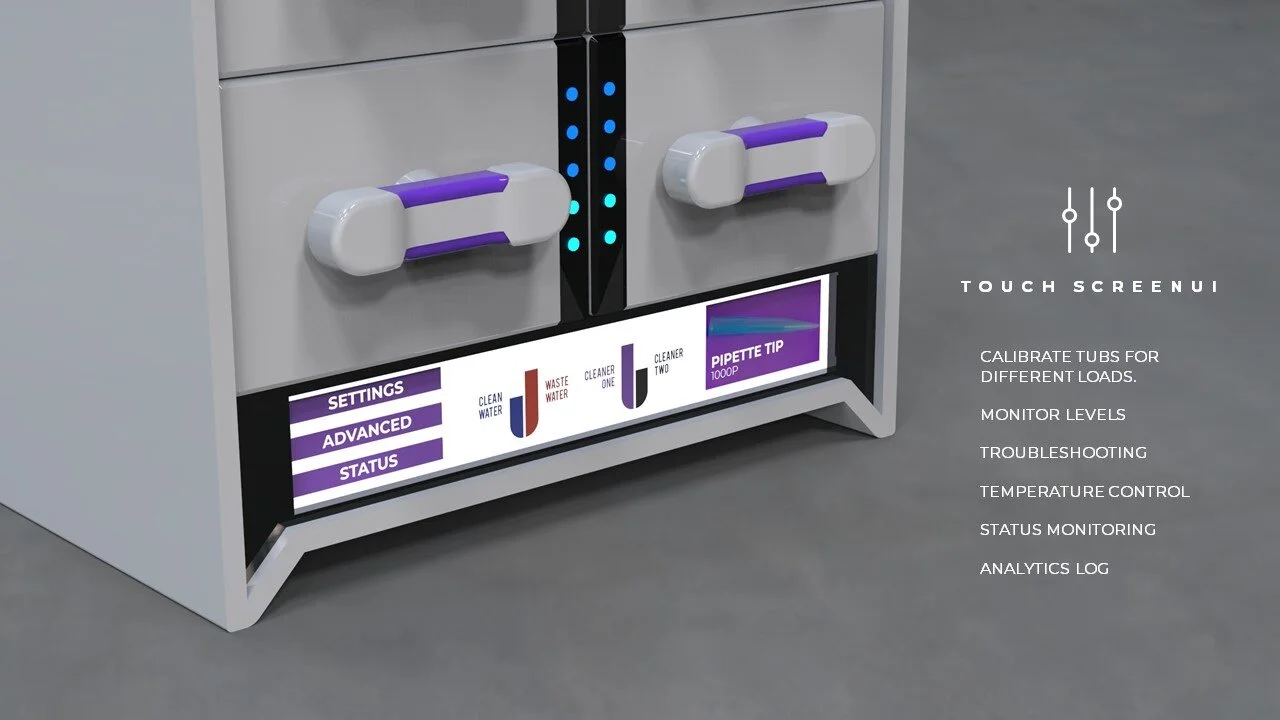
The system can be monitored holistically to see the water usage, detergent and ethanol levels and the overall settings using the main user interface as well as individually monitored to see the progress of each drawer’s progress.
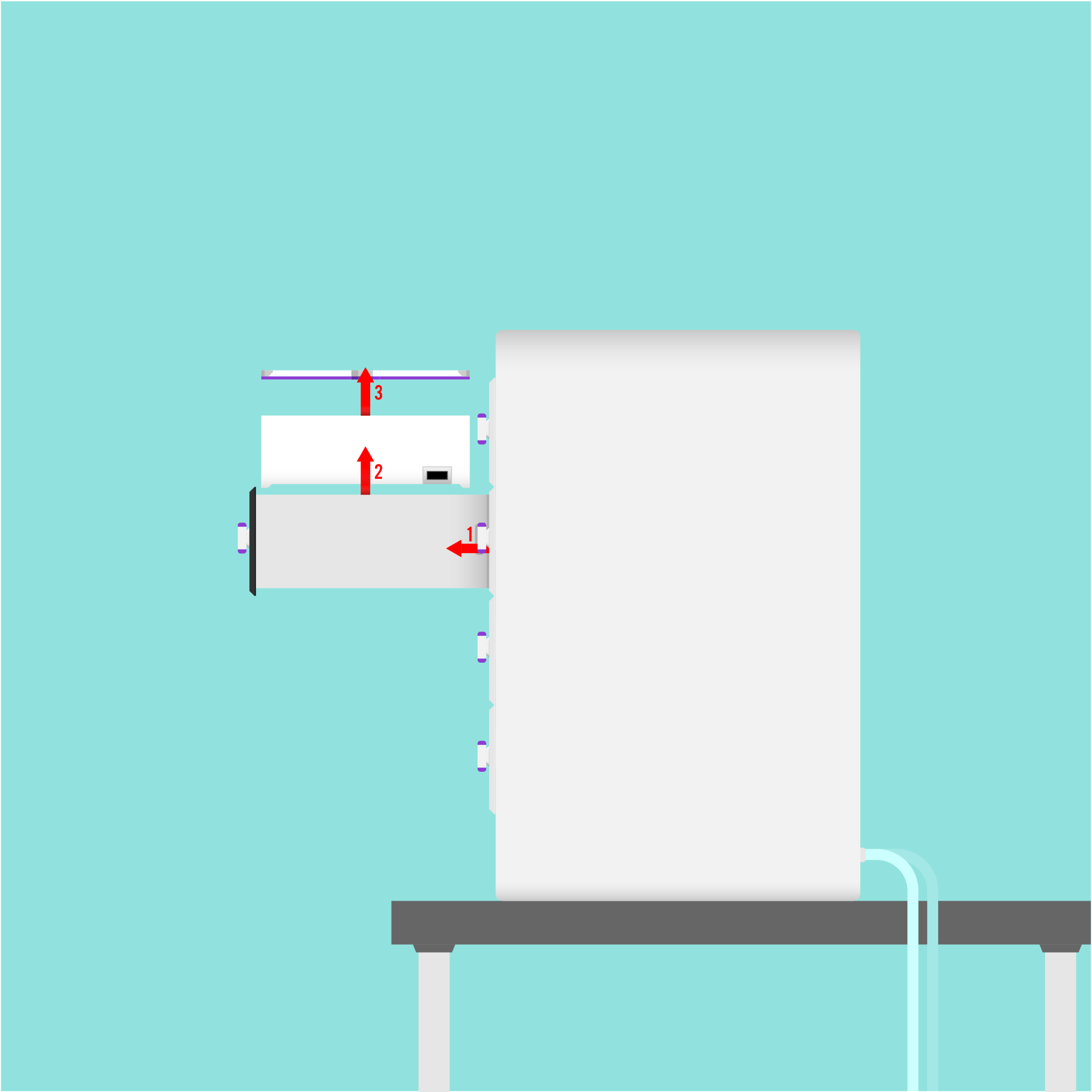
Unloading and use or storage
Finally once the load has completed the wash sequence it can be unloaded. The machine will indicate that it is complete with green flashing lights on the mini-display for the drawer that is finished. The handle is turned to unlock it and then the tub inside is removed using the handles.
Two important results
Addressed vs Impact
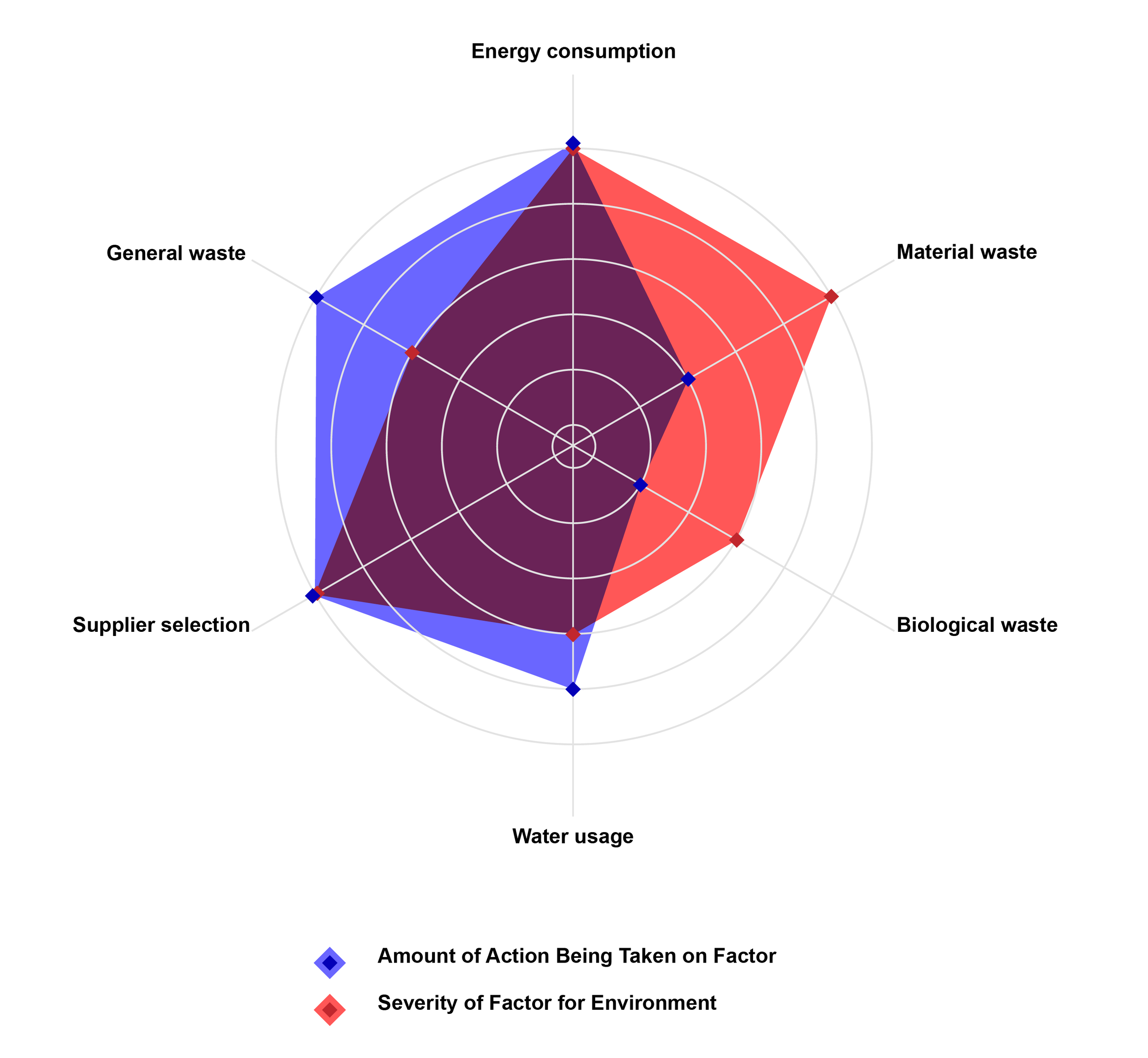
When looking at the sustainability challenges laboratories face I considered how much action was being taken on each issue based on a literature review and the severity of impact on the environment said challenge had. When comparing these two there was a clear gap for further research in “Material Waste” which I began to refer to as plastic waste.
Frequency & Quantity.
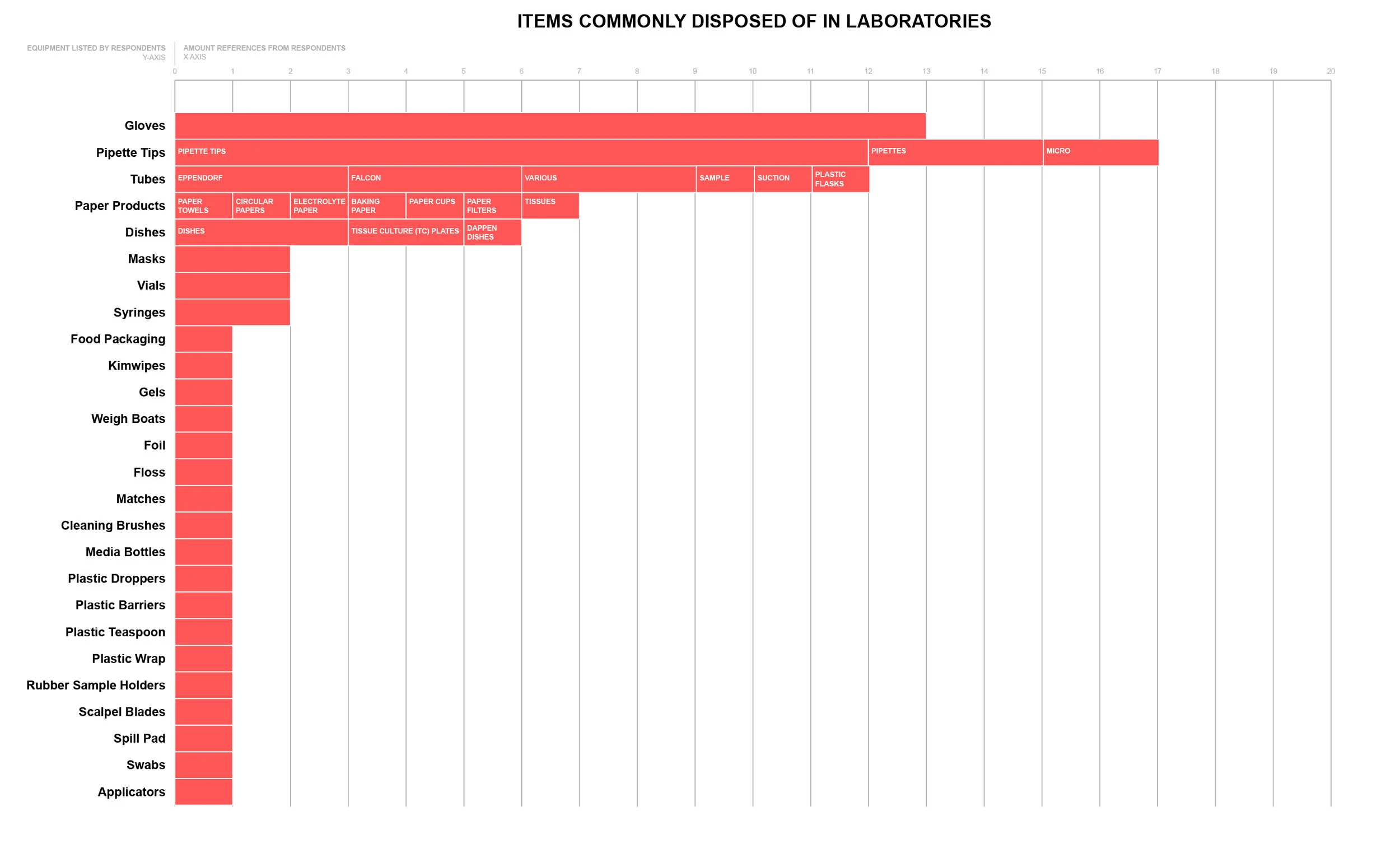
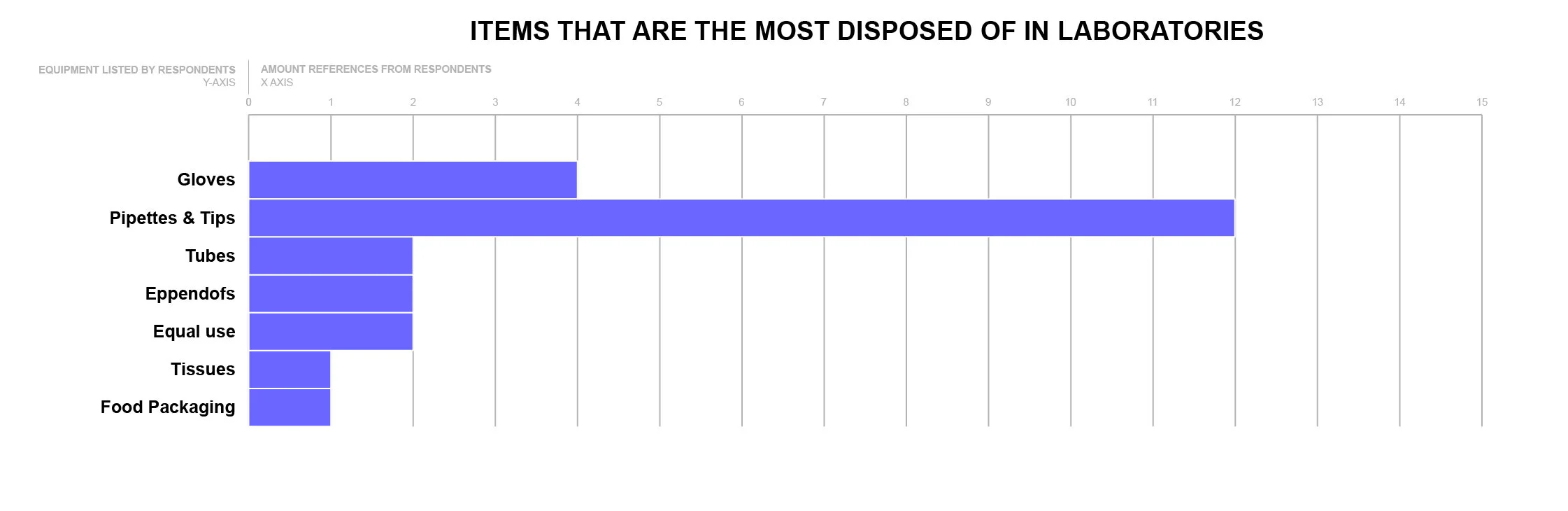
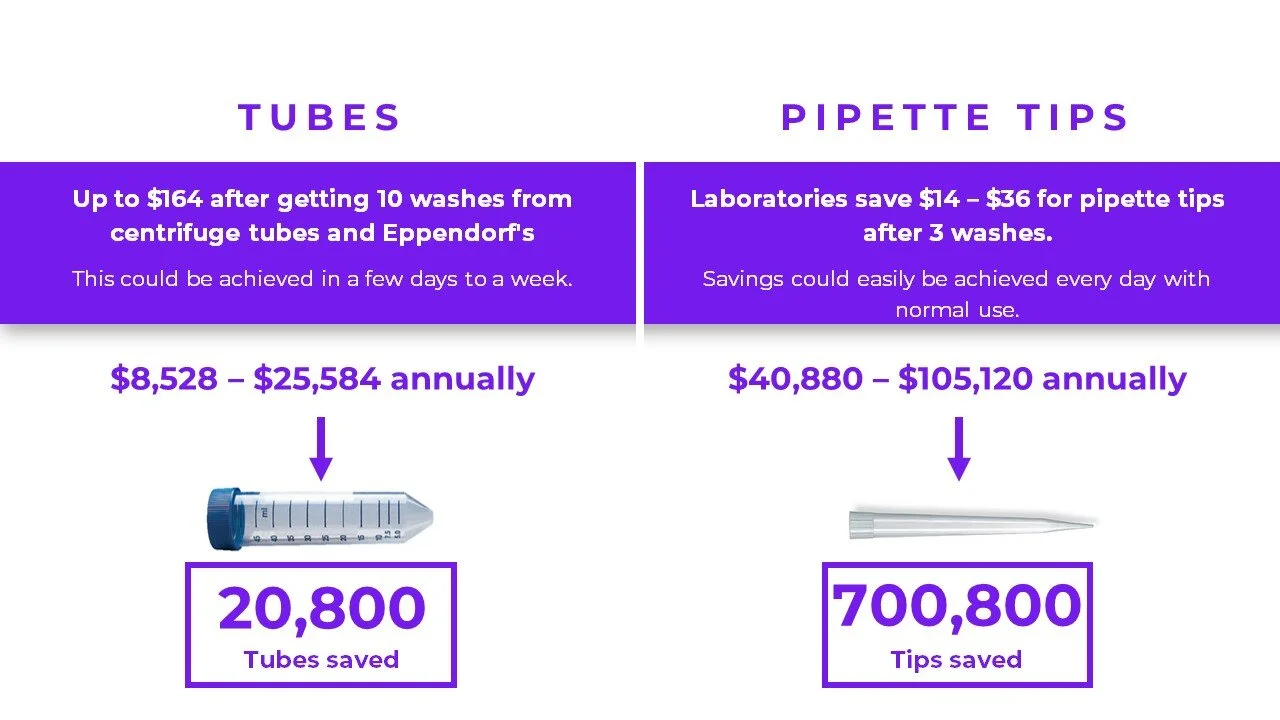
Through conducting a survey of scientists, lab users and students I began to draw some conclusions on what objects were most commonly disposed of and how often. Results indicated that pipettes and pipette tips (which, later through interviews, I began to understand was almost exclusively pipette tips.) were large contributors even though many manufacturers market them as washable.
Prototyping & Model Making
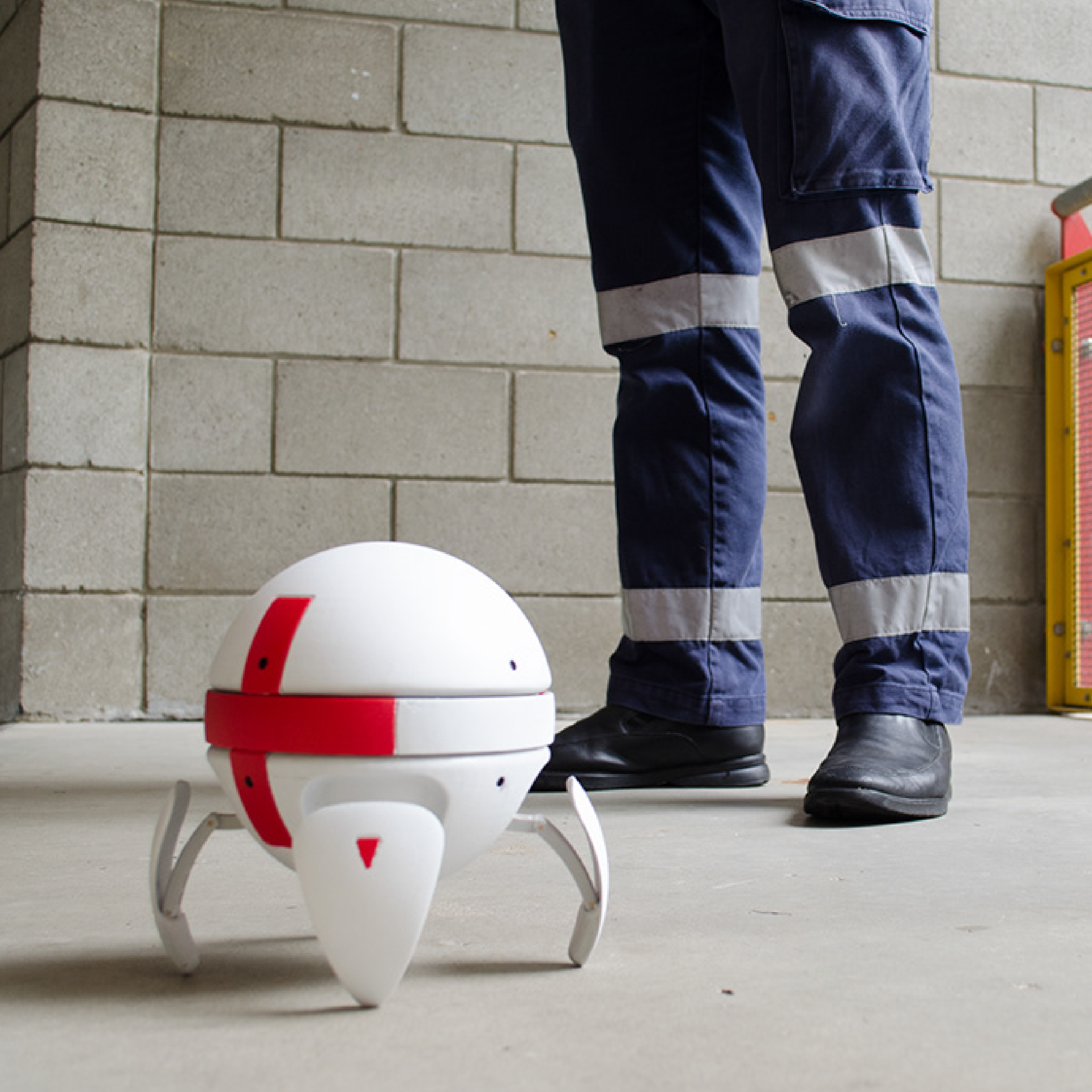
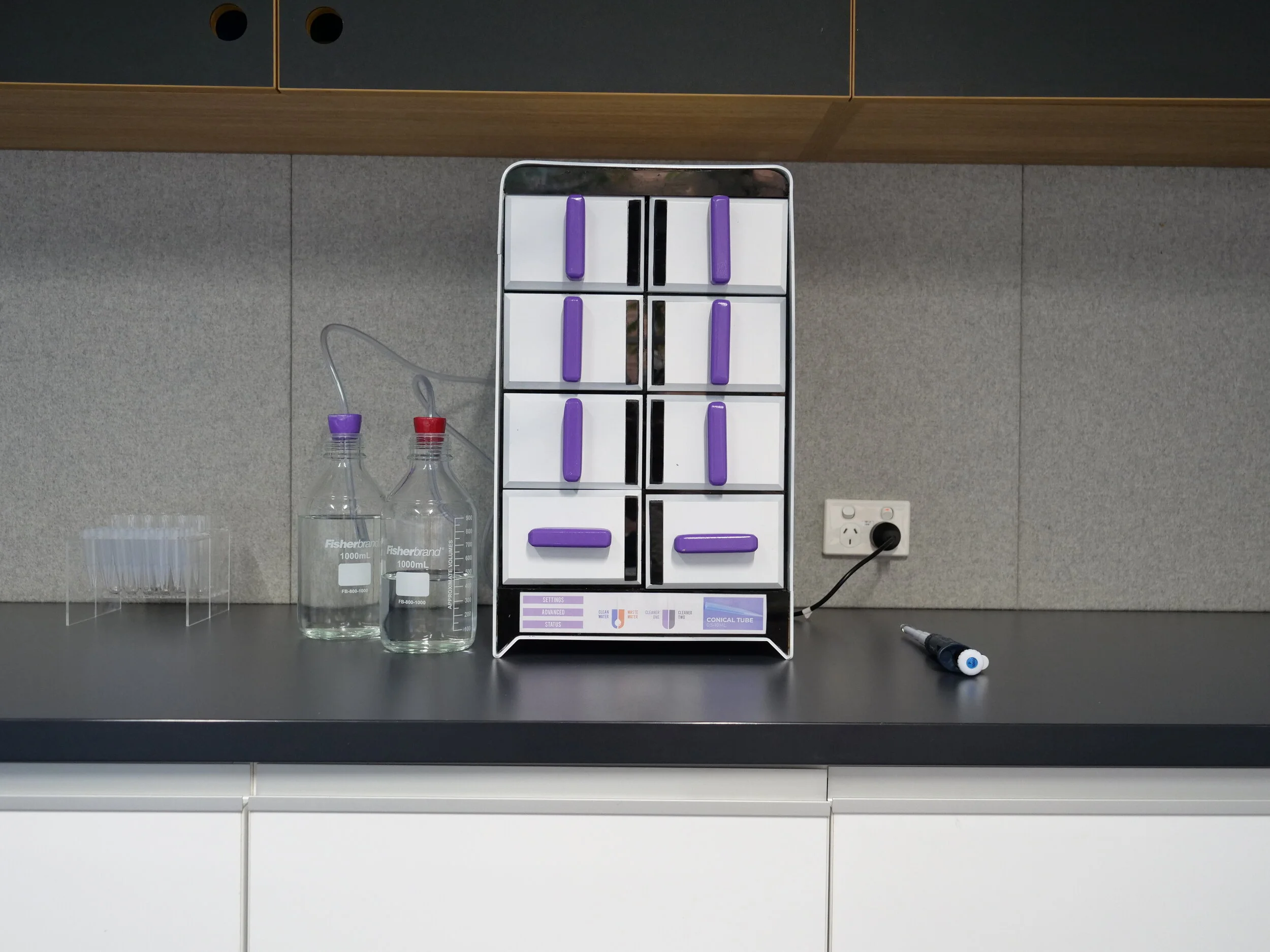
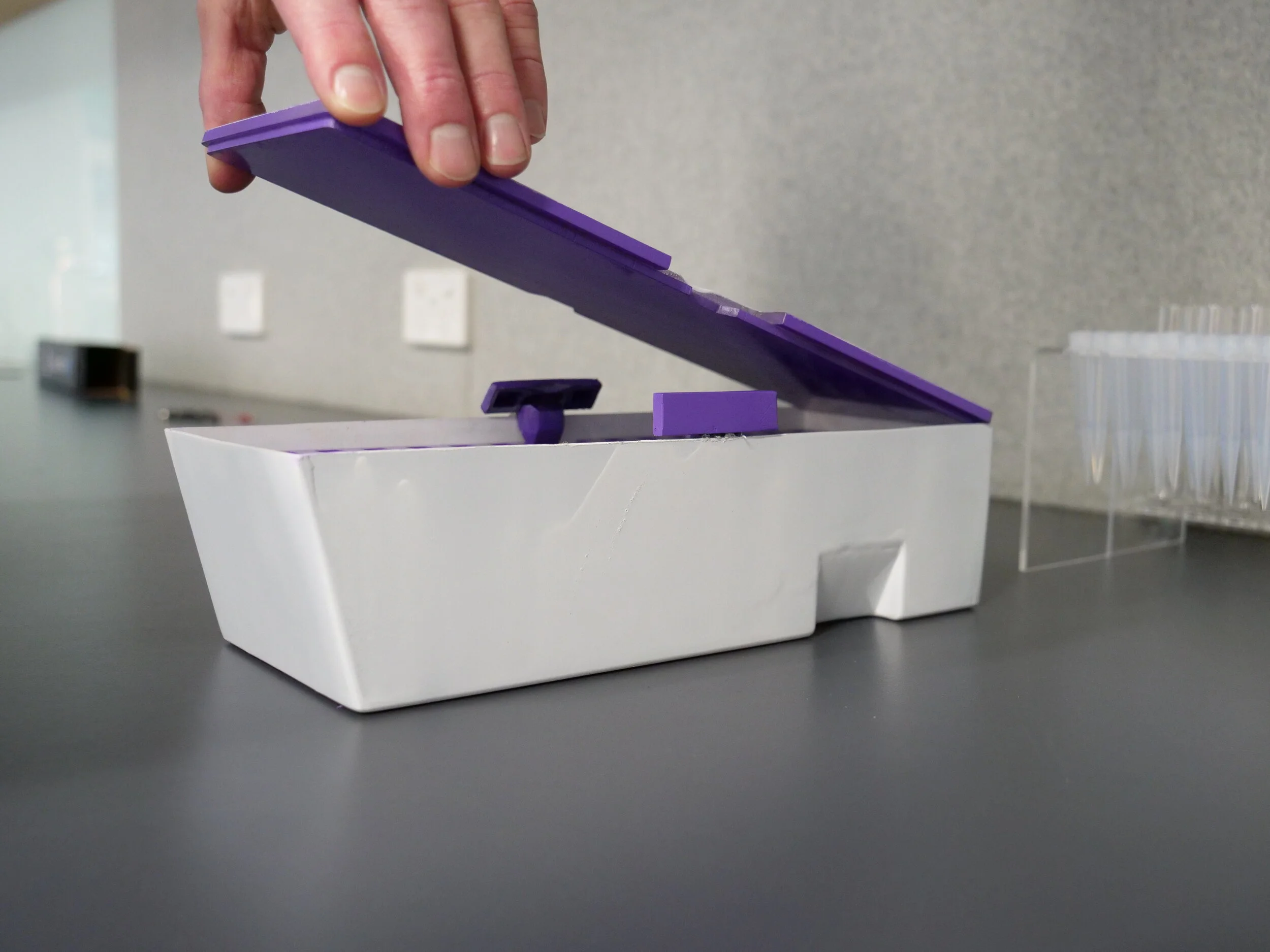
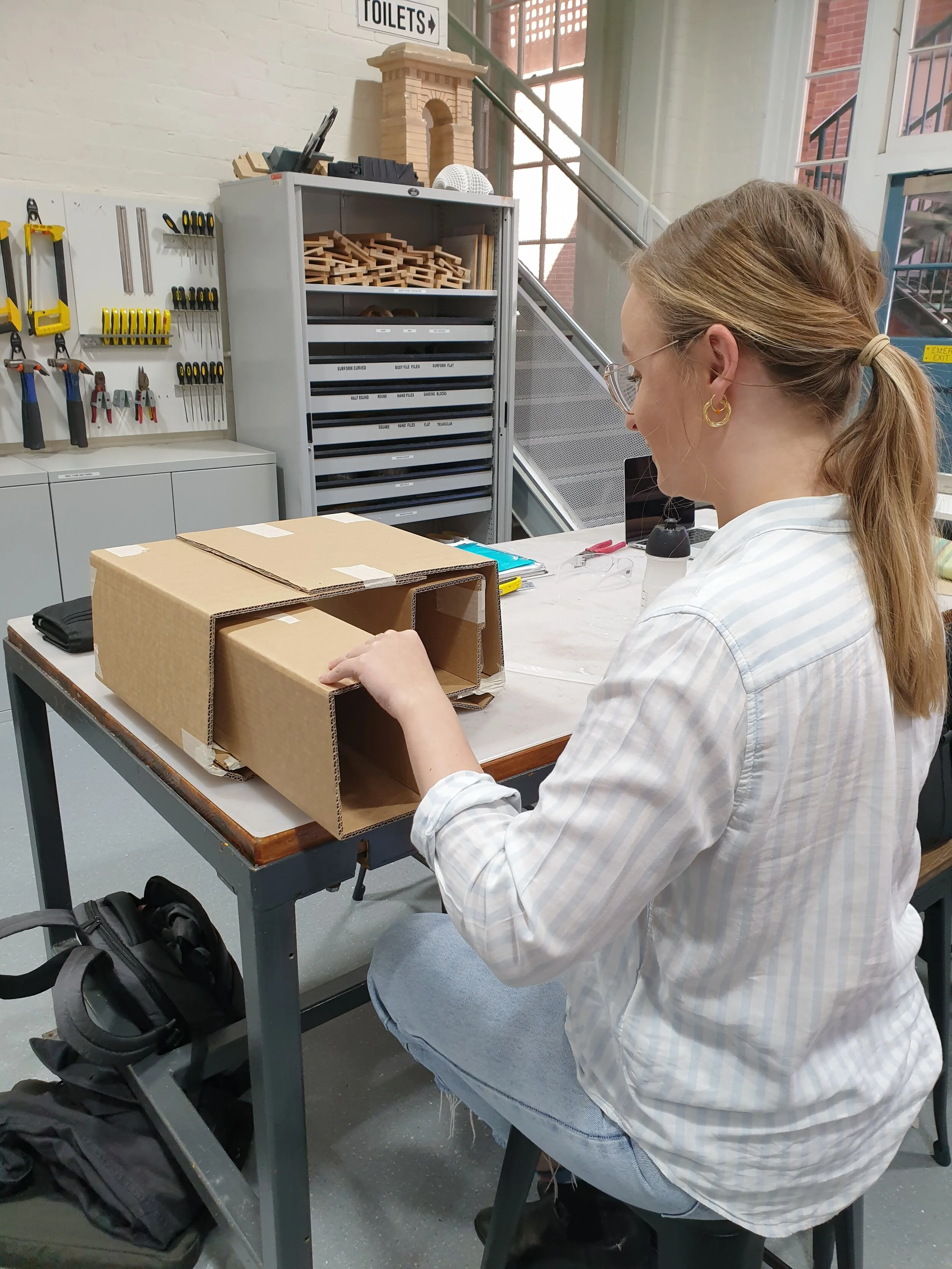
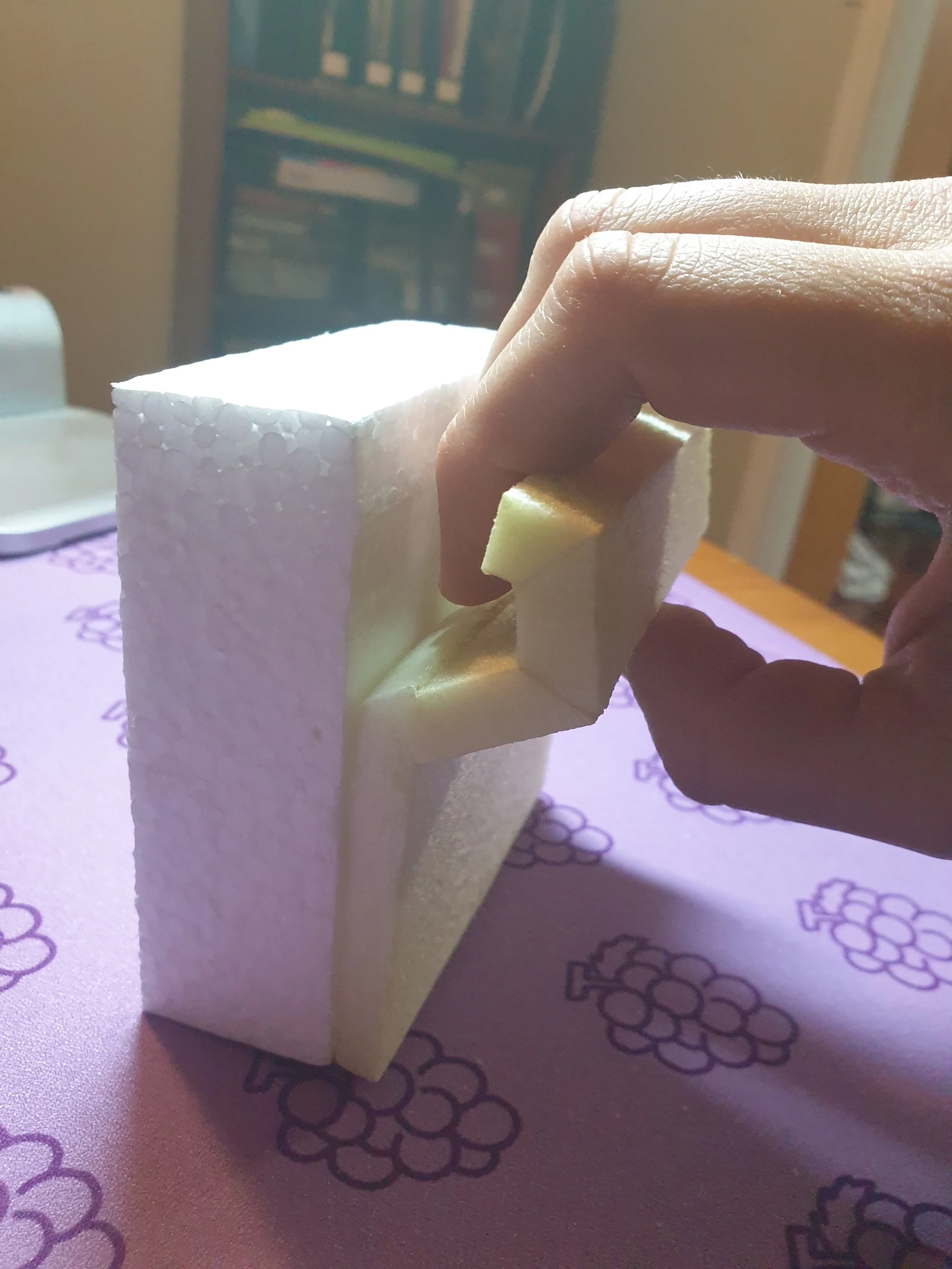
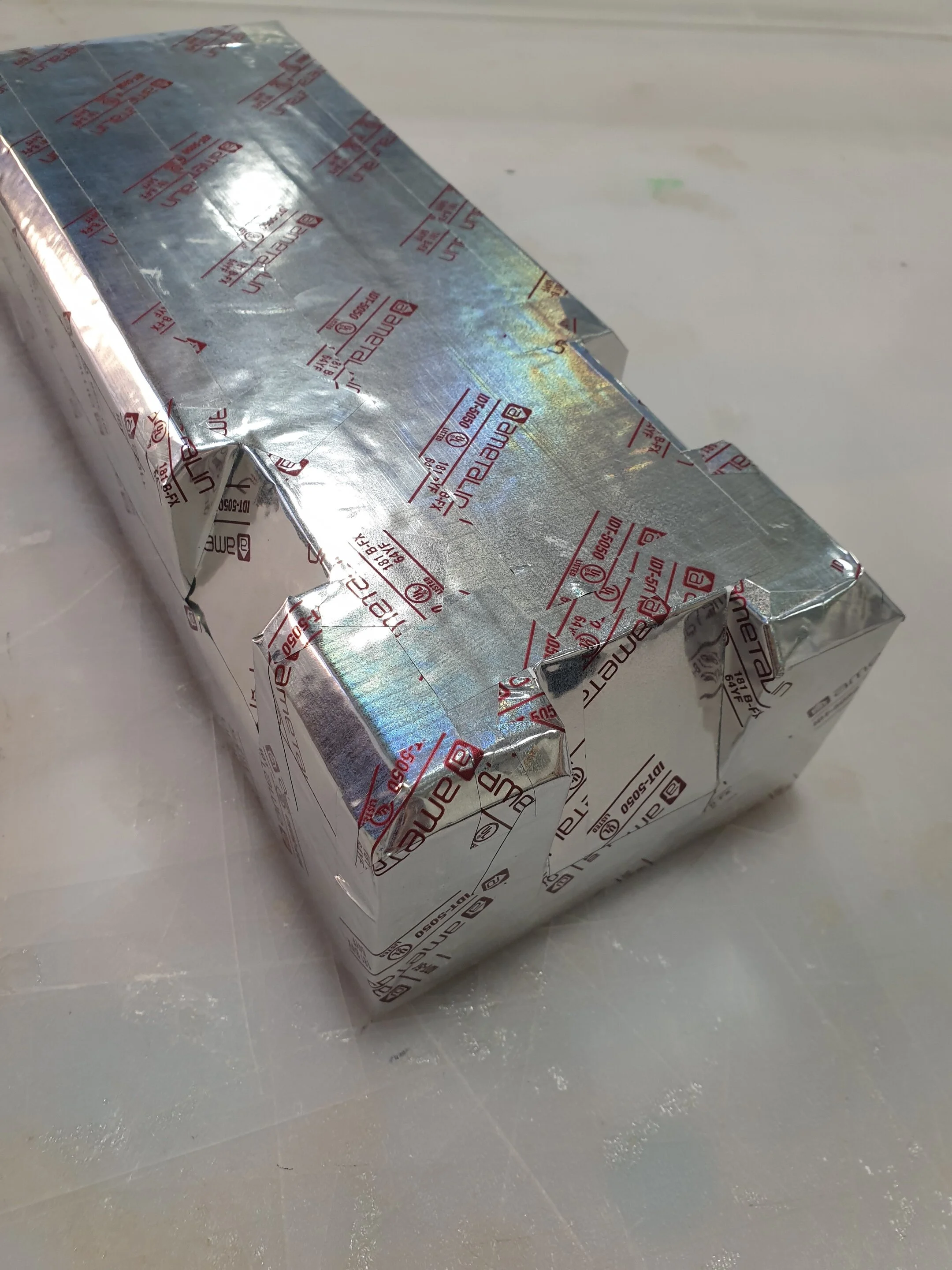
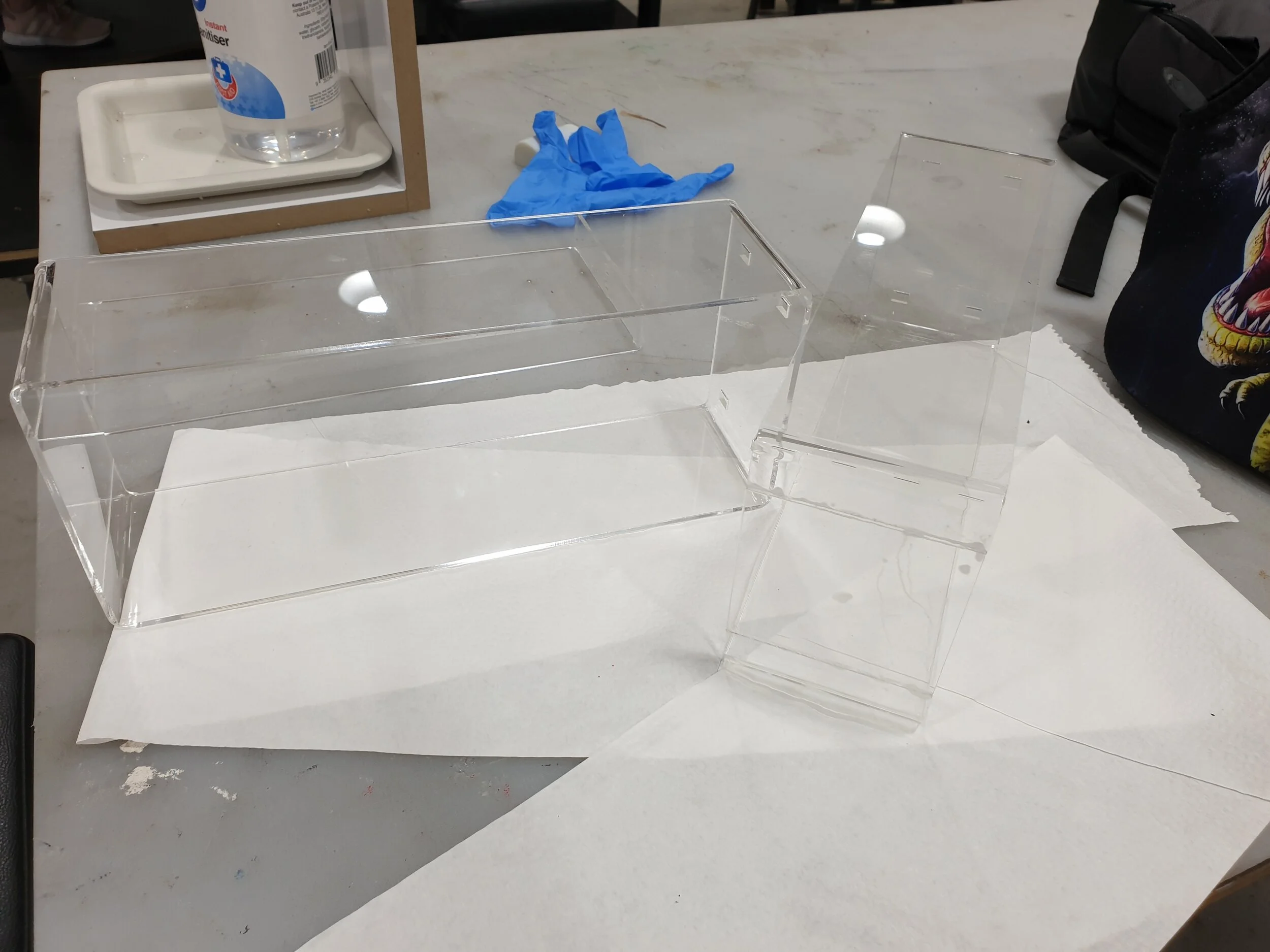
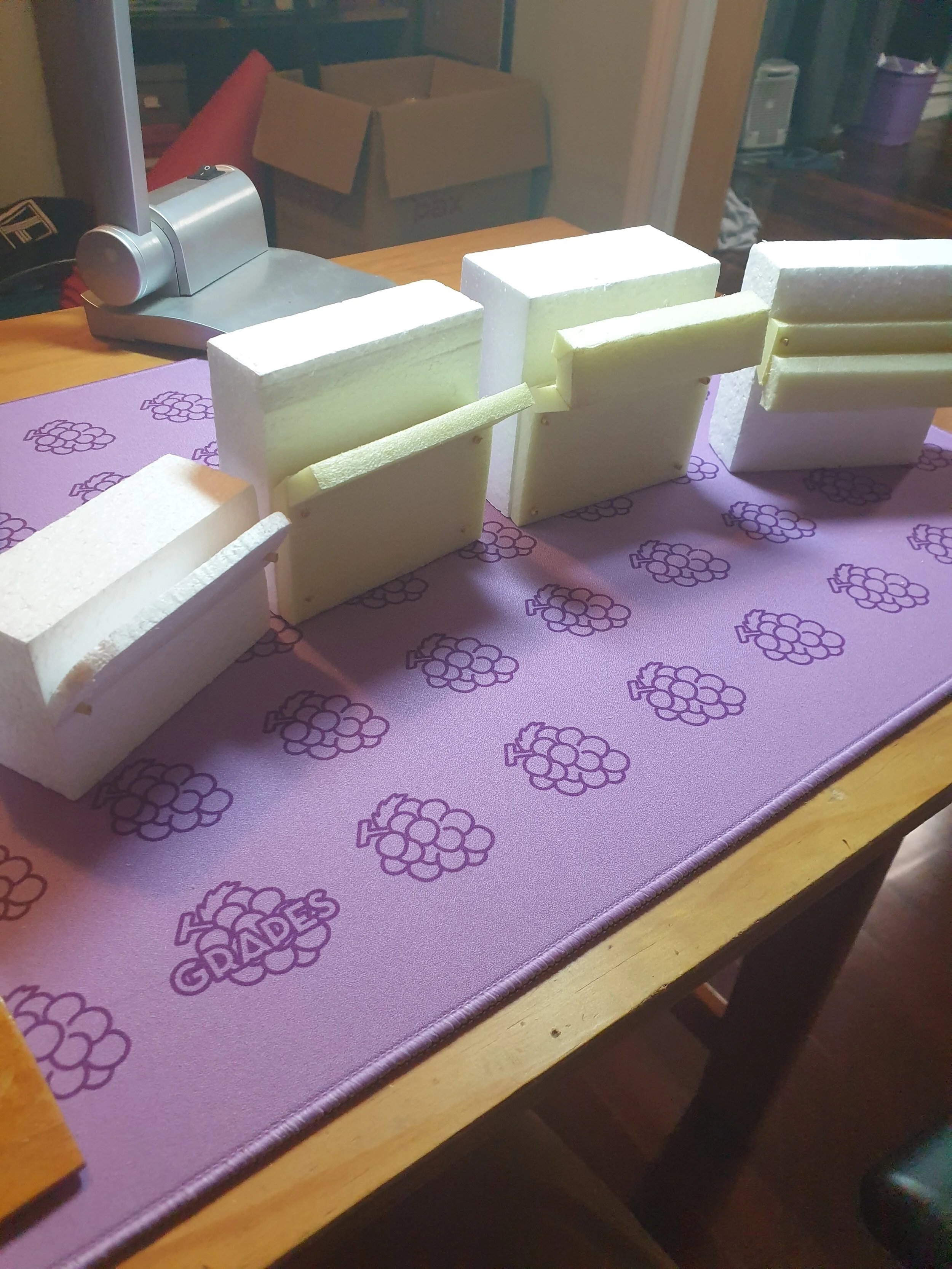
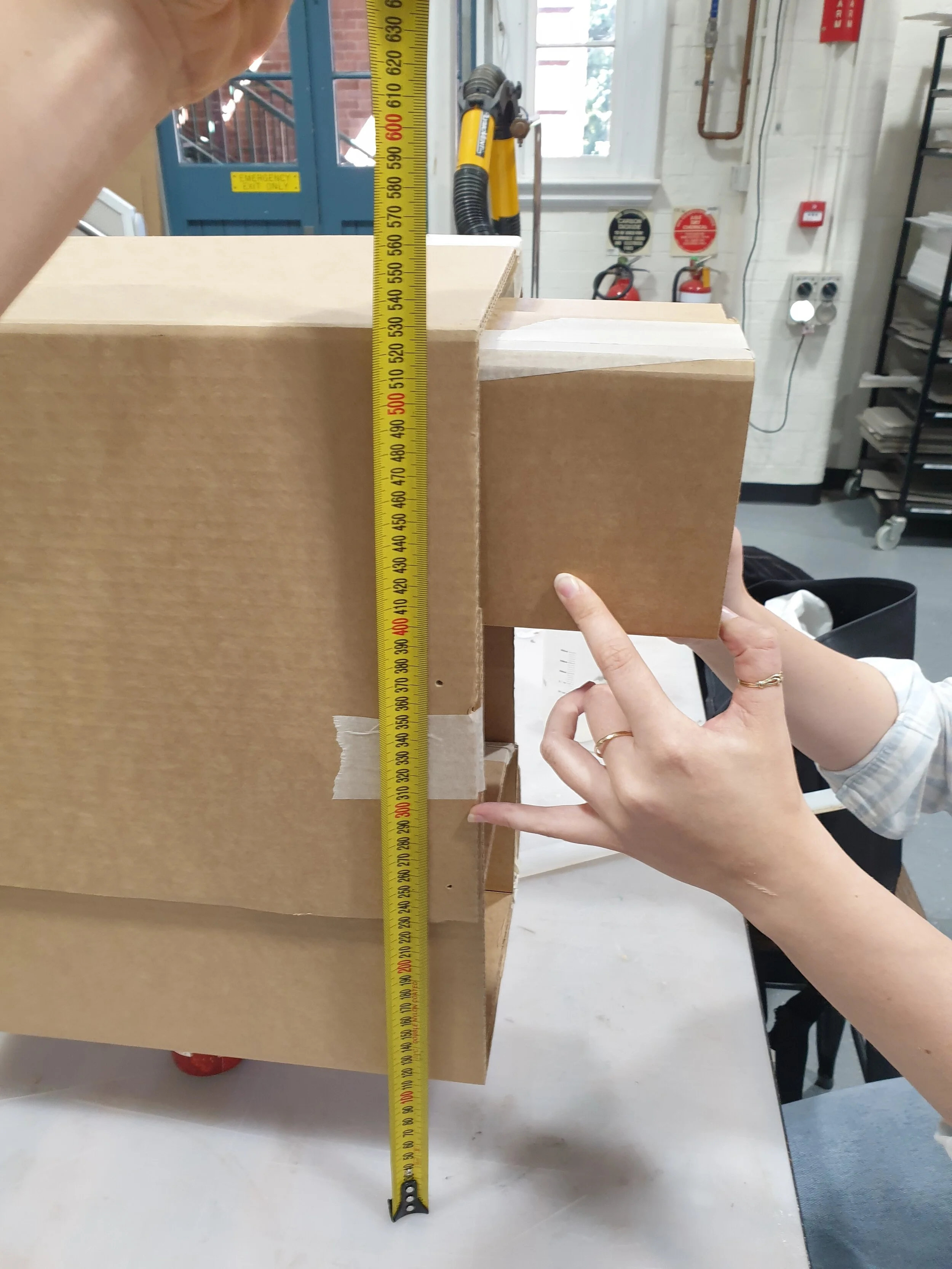
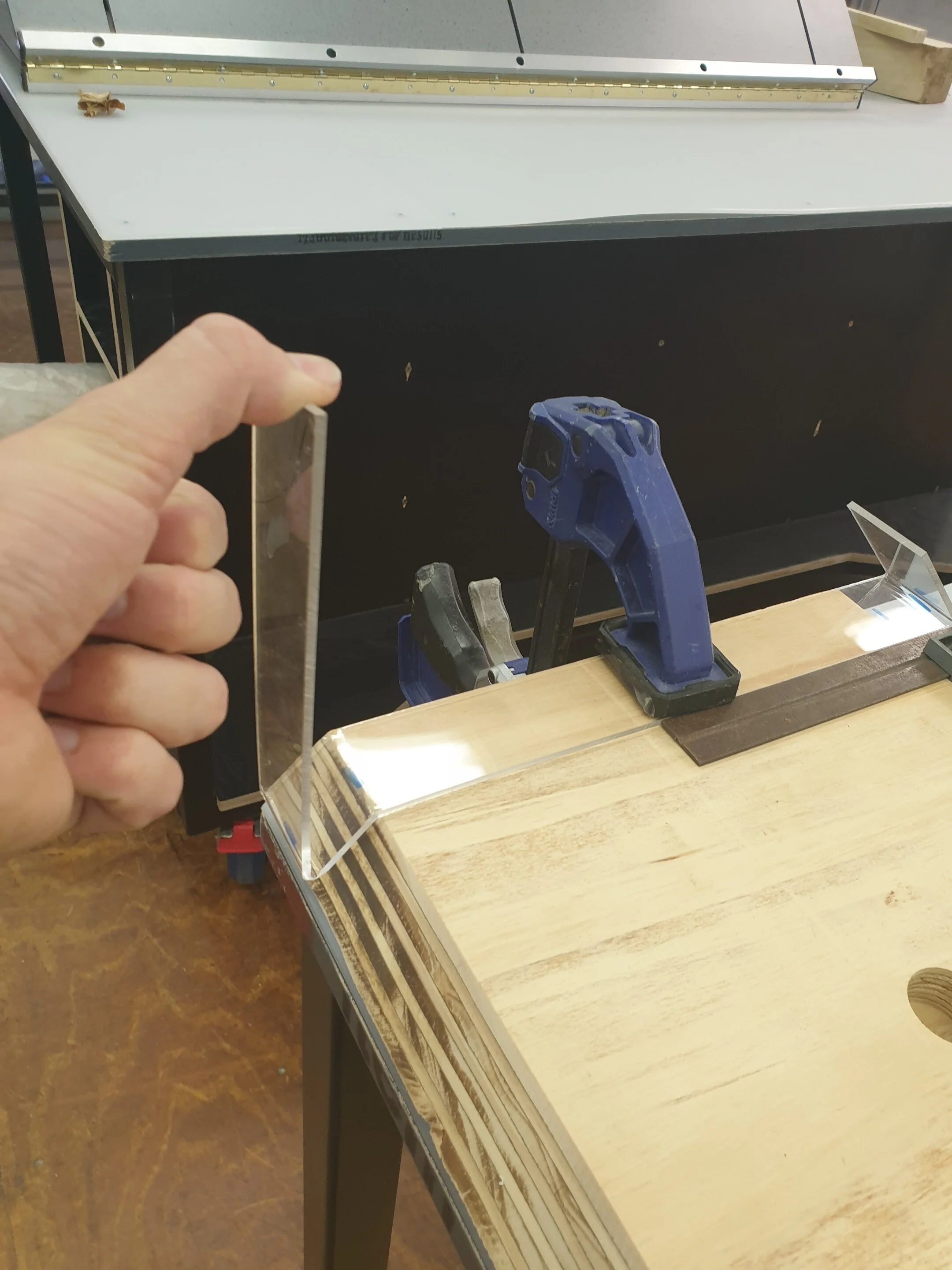
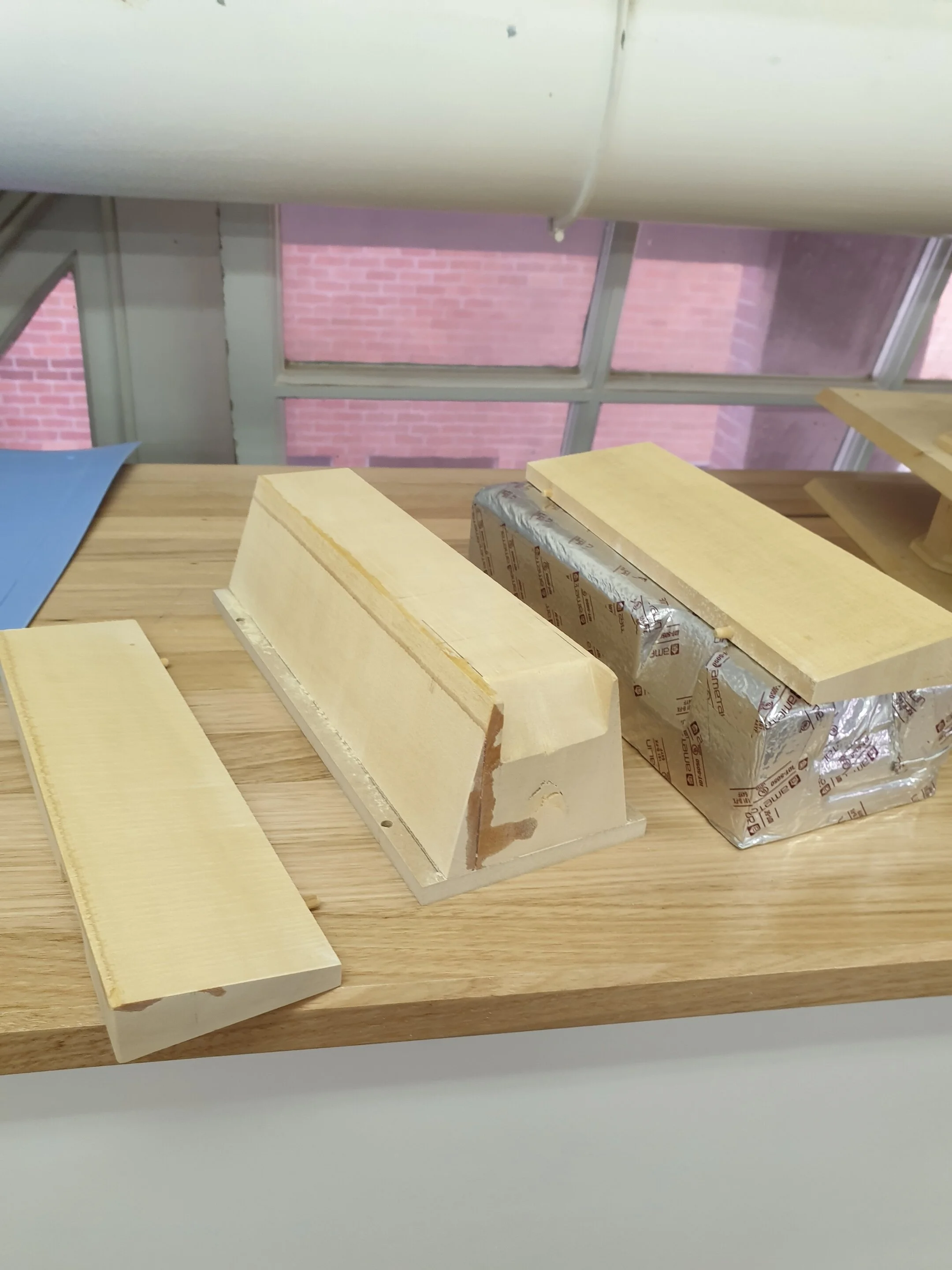
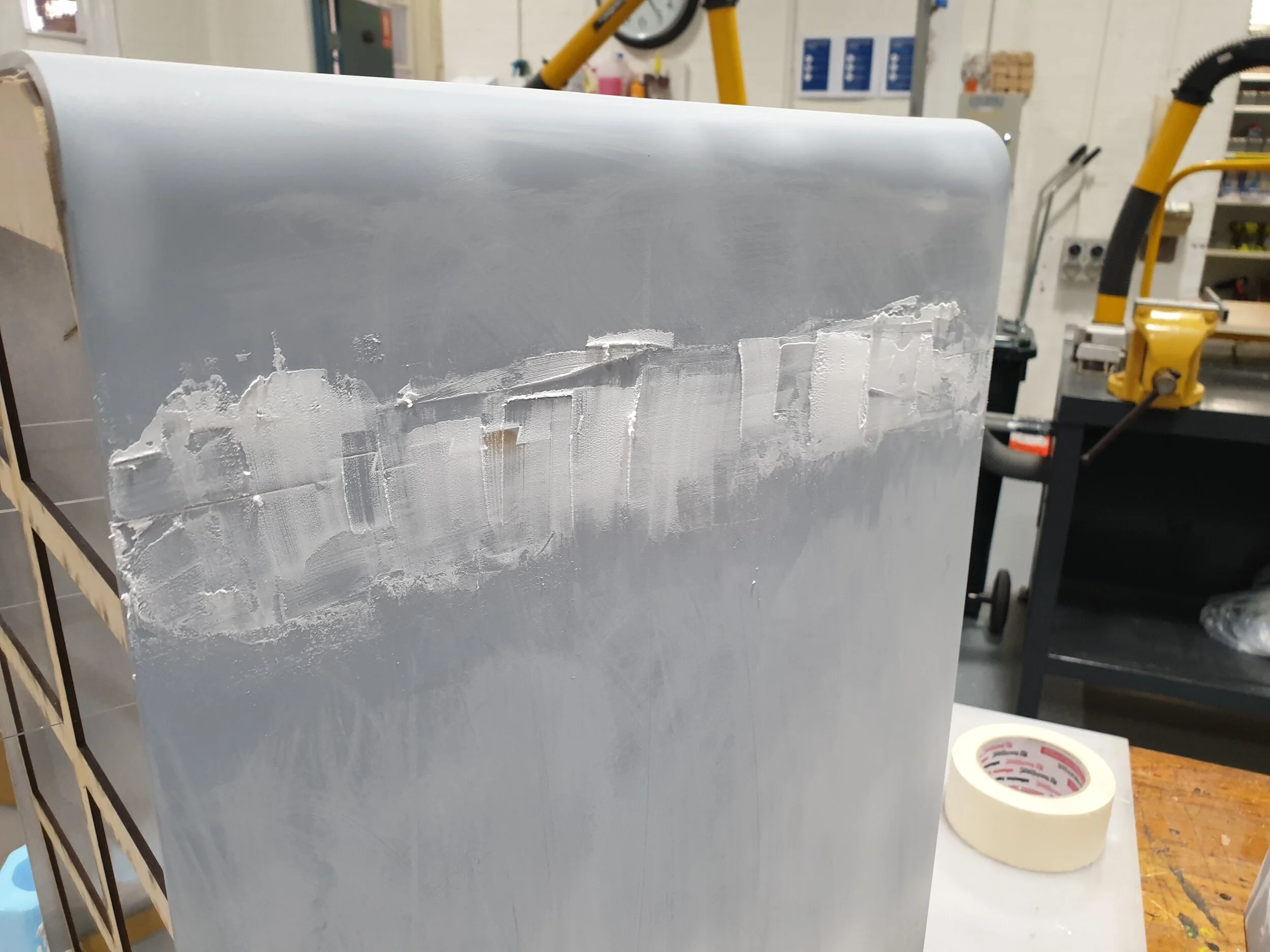
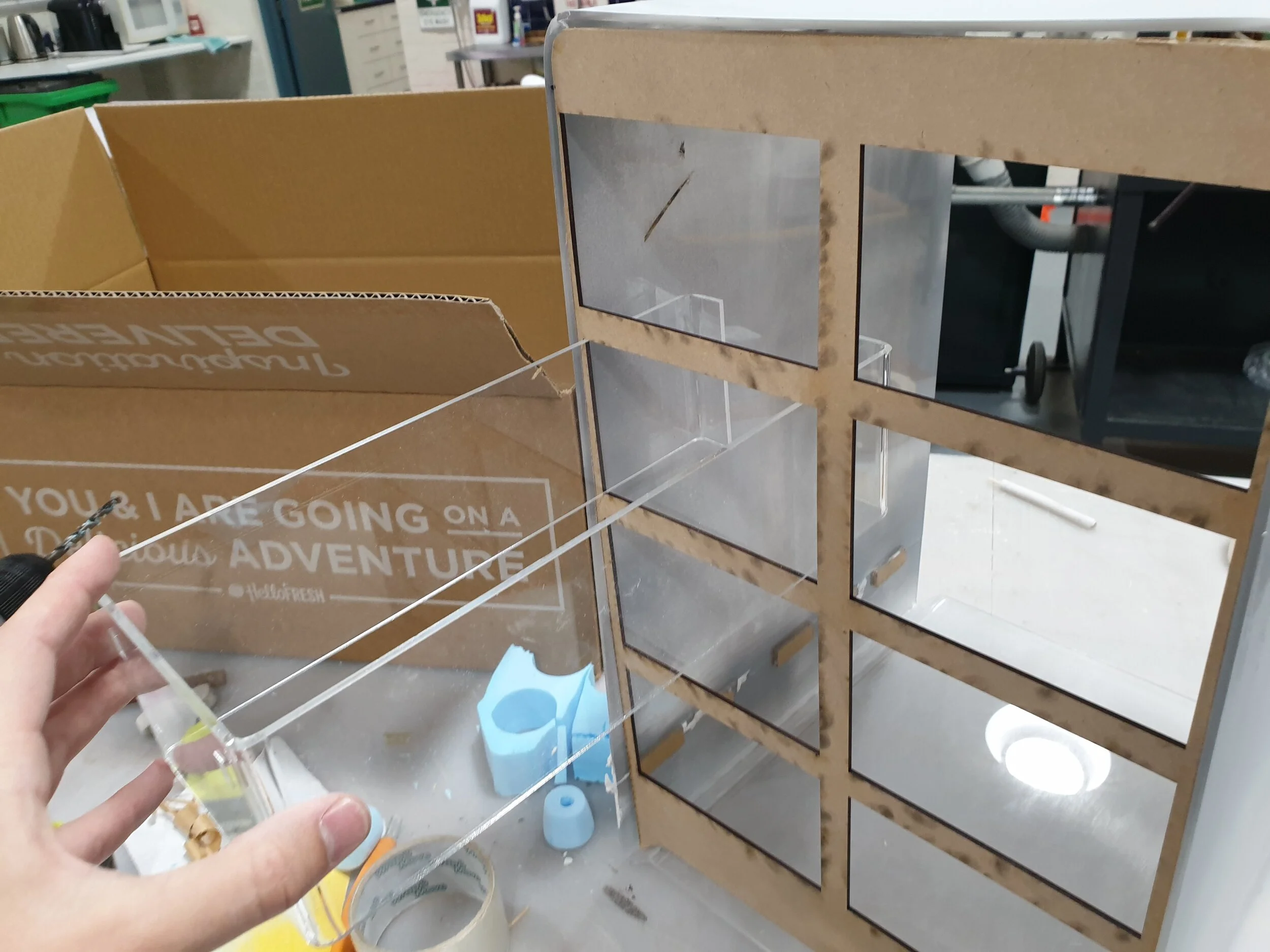
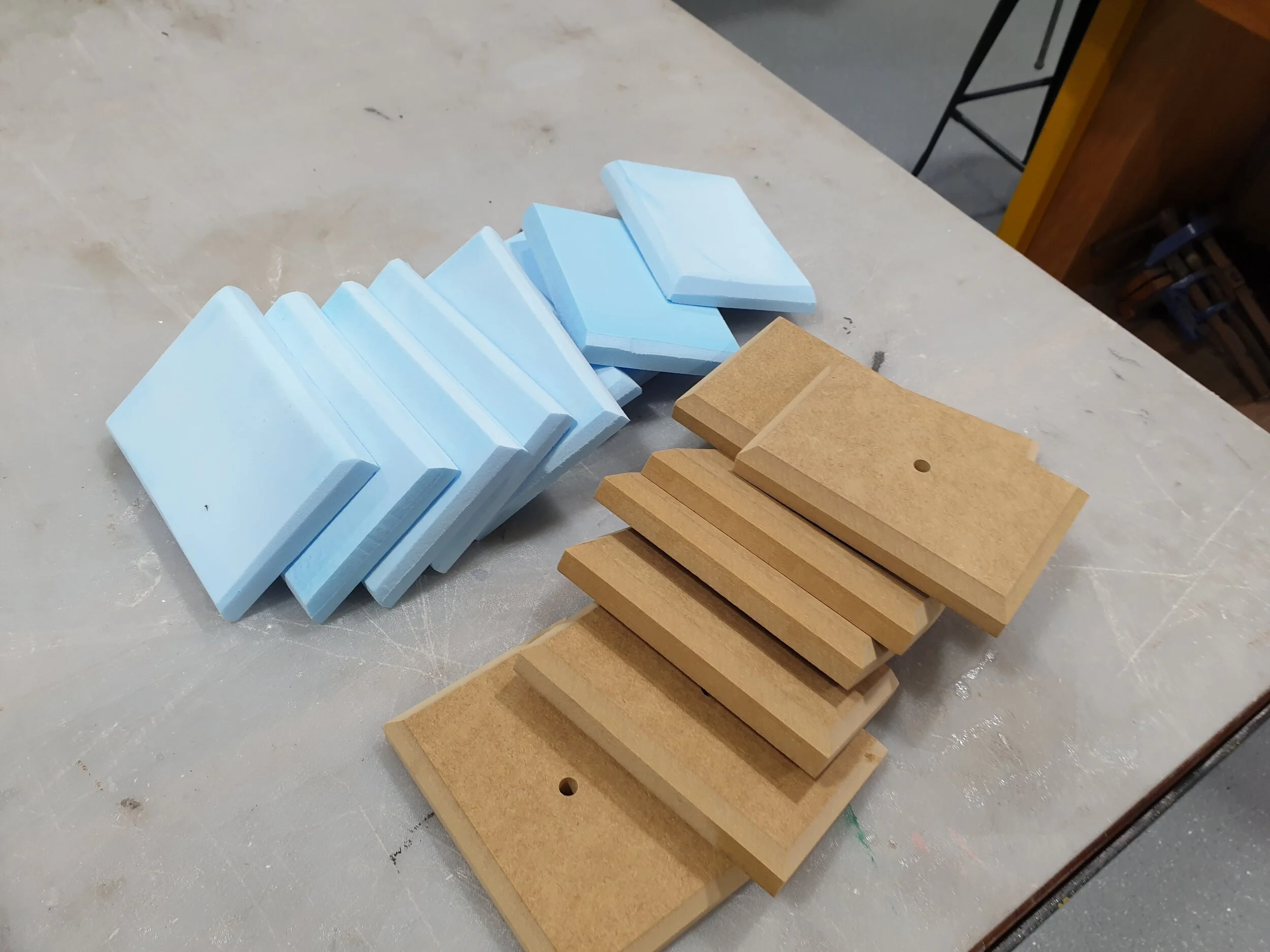
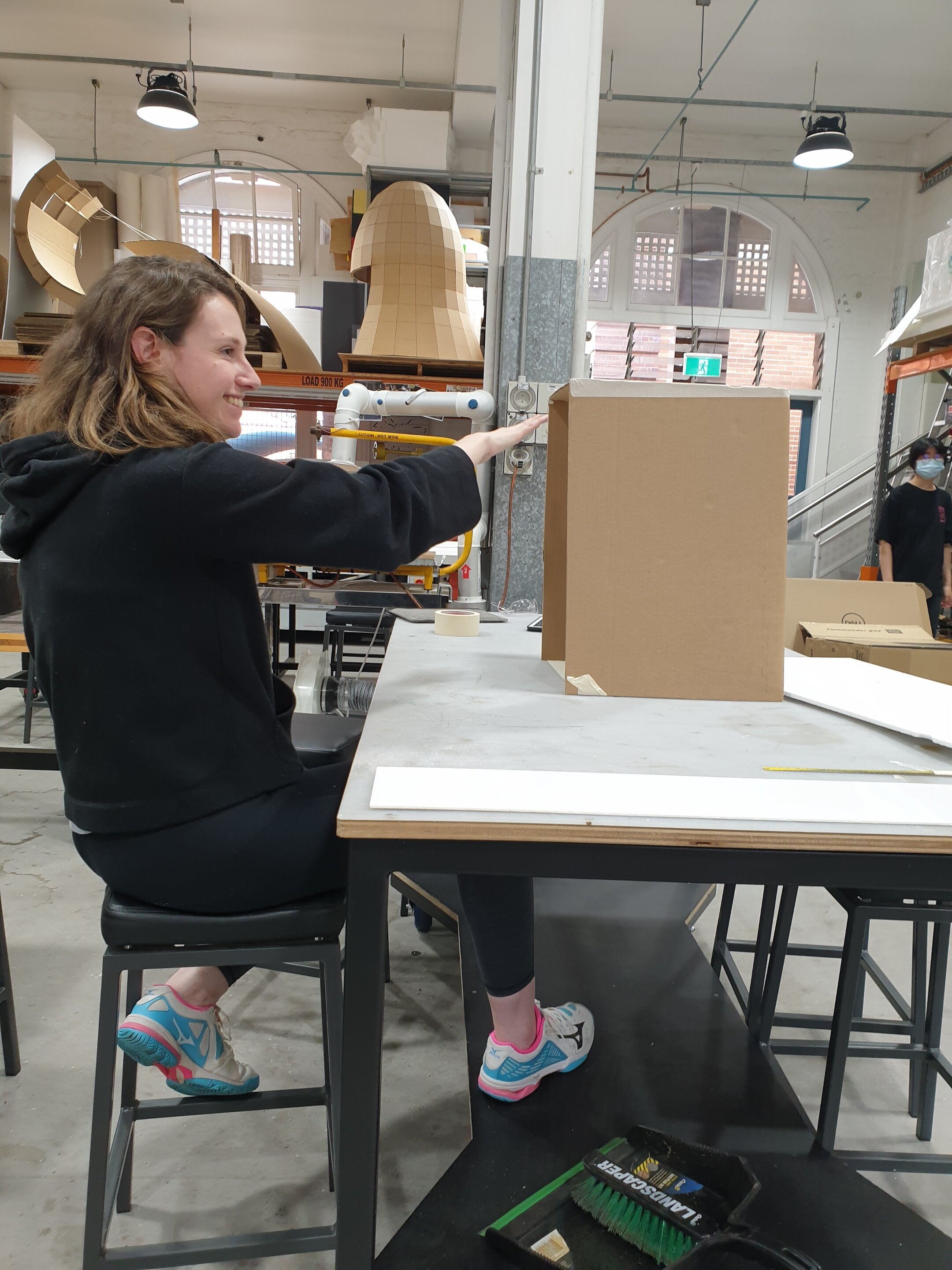
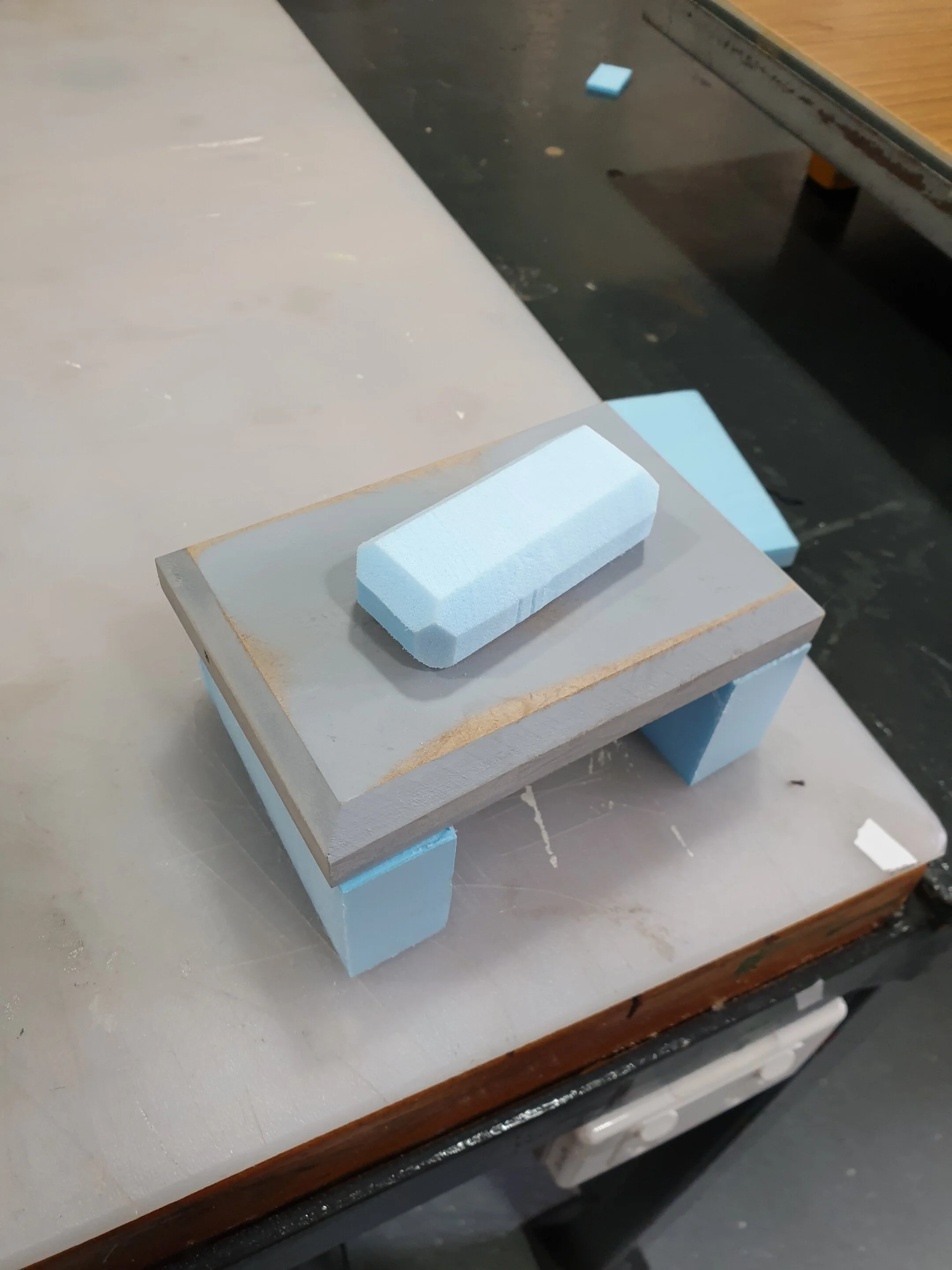
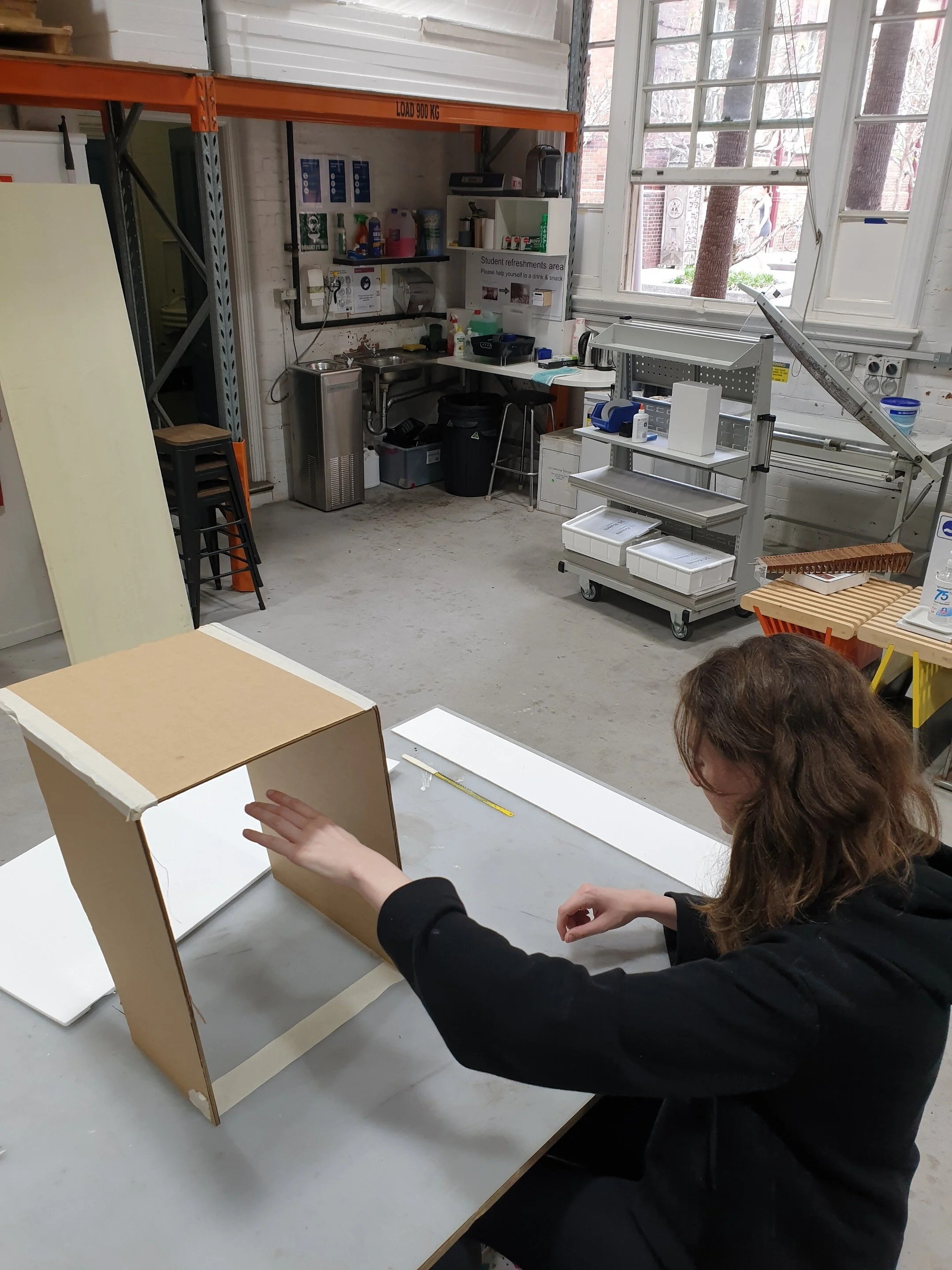
Through development I made countless prototypes, ranging from paper and acrylic tests theat never saw the light of day all the way to a 1:1 scale model with all components for communicating the concept effectively.
Back to projects